
Introduction
Speech recognition is a modern technology that allows computers and digital devices to understand spoken words.
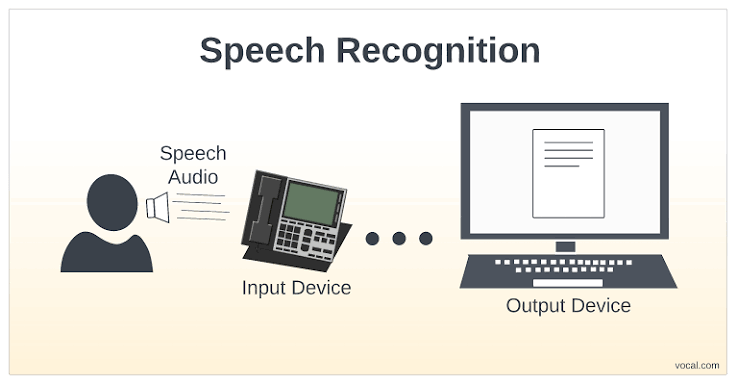
It converts human speech into text or commands that machines can process.
This technology has become an important part of smartphones, computers, and smart home devices.
It helps people interact with technology without always needing a keyboard or touchscreen.
As technology continues to improve, speech recognition is becoming more useful in everyday life.
1. What Is Speech Recognition?
Speech recognition is the process of identifying spoken words and converting them into a format that a computer can understand. It uses specialized software to analyze sounds, recognize language patterns, and determine what a person is saying. For example, when someone speaks into a phone to send a message, the device can turn those spoken words into written text. This process makes communication with digital systems faster and more convenient. Speech recognition is widely used in personal devices, business applications, and customer support services. It can also help people complete tasks without typing manually. The accuracy of this technology depends on several factors, including pronunciation, background noise, and the quality of the recognition system.
2. How Speech Recognition Works
Speech recognition works through a combination of audio processing, language analysis, and machine learning. First, a microphone captures the speaker’s voice and converts it into a digital audio signal. The software then examines the sound patterns and identifies features that may represent different speech sounds. These features are compared with patterns learned by the recognition model. The system uses language information to determine which words most likely match the spoken sentence. Some systems process audio on the device, while others send it to remote servers for analysis. Modern solutions can use artificial intelligence to improve their understanding of different speaking styles. After processing the audio, the system displays the recognized words or performs the requested action.
3. Importance of Speech Recognition
Speech recognition is important because it makes technology easier and more accessible to use. People can speak naturally instead of entering every instruction through a keyboard. This saves time when writing messages, searching for information, or creating documents. It is especially helpful for individuals who have difficulty typing or using traditional input devices. Businesses can also use speech recognition to improve communication and manage information more efficiently. In educational settings, students may use voice typing to prepare assignments and take notes. The technology can support hands-free interaction when using compatible devices. Overall, speech recognition provides a practical way to connect human communication with digital systems.
4. Common Applications of Speech Recognition
Speech recognition is used in many areas of everyday life. Smartphones use it to support voice searches, messaging, and digital assistants. Computers can turn spoken words into written documents through dictation tools. Customer service companies may use speech recognition to understand callers and direct them to suitable departments. Hospitals can use compatible systems to help professionals document information more efficiently. In vehicles, voice commands allow drivers to control certain functions without taking their hands off the steering wheel. Educational applications can support language learning and spoken exercises. These examples demonstrate how speech recognition can simplify tasks across personal, professional, and public environments.
5. Speech Recognition in Artificial Intelligence
Artificial intelligence has significantly improved the capabilities of speech recognition systems. AI models can learn from large collections of speech recordings and identify complex patterns in human language. This helps systems recognize words more accurately and adapt to different accents and speaking styles. Some advanced tools also use contextual information to distinguish between words that sound similar. Deep learning techniques can improve the interpretation of natural speech, including longer sentences. AI-powered voice assistants can combine speech recognition with other technologies to respond to questions and complete tasks. However, the quality of the results still depends on training data and system design. Continued research is helping developers create more flexible and reliable speech recognition solutions.
6. Benefits of Speech Recognition
One of the main benefits of speech recognition is convenience. Users can enter text or issue commands while performing other activities. It can also increase productivity by reducing the time needed for typing and repetitive data entry. Accessibility is another important advantage because voice input offers an alternative for people who find conventional input methods difficult. Businesses may use it to organize customer interactions and support workplace efficiency. Students and professionals can benefit from speech-to-text tools when preparing notes or documents. In some situations, voice commands can also reduce the need to touch shared devices. Although the benefits vary by application, speech recognition can make many digital tasks simpler and more efficient.
7. Challenges of Speech Recognition
Despite its advantages, speech recognition still faces several challenges. Background noise can make it difficult for a system to identify spoken words correctly. Different accents, fast speech, unclear pronunciation, and unusual vocabulary can also affect accuracy. Some systems may struggle when several people speak at the same time. Technical terms and words with similar sounds can lead to incorrect results. Internet-dependent services may become less useful when a stable connection is unavailable. Privacy is another concern because voice recordings can contain personal or sensitive information. Developers continue to improve recognition models, audio processing, and security measures to address these issues. Users should review important transcriptions rather than assuming every recognized word is correct.
8. Speech Recognition in Education
Speech recognition has become a useful tool in modern education. Students can use voice typing to create assignments, record ideas, and prepare study notes. Language learners may use speech-based applications to practice pronunciation and receive feedback. Teachers can use compatible tools to prepare educational materials and reduce some repetitive writing tasks. Voice interfaces can also provide alternative ways for students to interact with learning platforms. These features may benefit learners who have difficulties with spelling, typing, or certain physical tasks. However, speech recognition should support learning rather than replace essential skills such as writing and critical thinking. Schools should also consider student privacy and the accuracy of automated transcripts. When used thoughtfully, this technology can make learning activities more flexible and accessible.
9. Speech Recognition in Healthcare
Healthcare organizations can use speech recognition to support documentation and communication. Medical professionals may dictate notes, prepare reports, and enter information into compatible digital systems. This can reduce some manual typing and help organize clinical records. Speech recognition can also support accessibility for patients who have difficulty interacting with traditional computer interfaces. However, healthcare language often includes specialized terminology, medication names, and detailed clinical information. An incorrect transcription could create confusion or introduce errors into a record. For this reason, professionals need to review and verify important information before relying on it. Healthcare providers must also select tools that meet applicable privacy and security requirements. Speech recognition can assist medical workflows, but it does not replace professional judgment.
10. Speech Recognition and Accessibility
Speech recognition can make digital technology more accessible to a wider range of people. Individuals with limited mobility may use voice commands to operate supported devices or enter text. People with certain visual impairments can benefit from voice-controlled features when these are combined with appropriate screen-reading tools. Speech-to-text services can also help users who find conventional typing difficult. In workplaces, accessible voice input may create additional ways to complete computer-based tasks. Nevertheless, speech recognition does not work equally well for everyone. Speech differences, environmental noise, and language limitations can affect its usefulness. Developers should test systems with diverse users and provide alternative input methods. Inclusive design helps ensure that speech recognition offers meaningful support rather than creating new barriers.
11. Privacy and Security in Speech Recognition
Privacy and security are important considerations when using speech recognition. Voice recordings may contain names, addresses, work information, or other personal details. Depending on the service, audio may be processed locally or transmitted to an external server. Users should understand how a particular application collects, stores, and uses voice data. Businesses should establish clear policies for handling recordings and protecting sensitive information. Strong access controls, encryption, and responsible data management can help reduce security risks. It is also useful to review microphone permissions and disable voice features that are not needed. Organizations should choose services that match their privacy requirements. Careful handling of voice data helps build trust in speech recognition technology.
12. The Future of Speech Recognition
The future of speech recognition is closely connected to advances in artificial intelligence and natural language processing. New systems are being developed to understand speech more accurately across different accents and languages. Researchers are also working to improve performance in noisy environments and during conversations involving multiple speakers. More devices may support on-device processing, which can reduce reliance on internet connections and help limit the transfer of audio data. Speech recognition may become increasingly integrated into cars, workplaces, educational platforms, and home technology. Better contextual understanding could make voice interactions feel more natural. However, accuracy, fairness, privacy, and affordability will remain important challenges. Continued innovation may make speech recognition more useful and widely available in the years ahead.
Conclusion
Speech recognition has changed the way people interact with computers and digital devices.
It offers practical benefits in communication, education, healthcare, accessibility, and business.
Although challenges such as background noise, accuracy, and privacy remain, technology continues to improve.
Responsible development and careful use can help people benefit from voice-based systems more effectively.
As artificial intelligence advances, speech recognition is likely to play an increasingly important role in everyday life.
Frequently Asked Questions (FAQs)
1. What is speech recognition used for?
Speech recognition is used to convert spoken language into text or commands. Common examples include voice typing, smartphone assistants, voice searches, automated customer service, and hands-free device control.
2. What are the main benefits of speech recognition?
The main benefits include faster text entry, convenient voice commands, improved accessibility, and support for repetitive documentation tasks. Its usefulness depends on the application and the accuracy of the system.
3. What is the difference between speech recognition and voice recognition?
Speech recognition focuses on identifying the words a person says. Voice recognition can refer to identifying a particular speaker based on vocal characteristics. The two technologies may work together, but they serve different purposes.