
Introduction
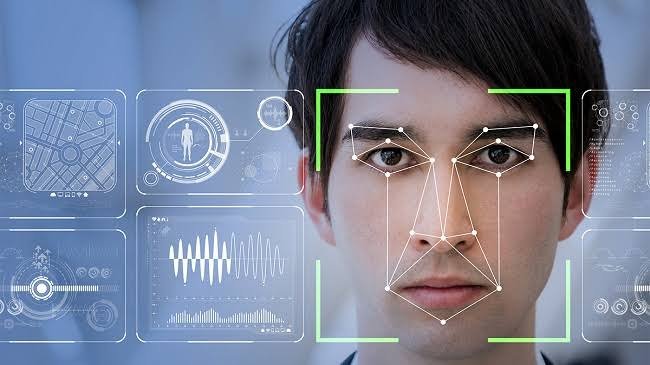
Image recognition is a modern technology that enables computers to identify and understand objects, people, and patterns in images. It uses artificial intelligence (AI) and machine learning to analyze visual information. This technology helps computers recognize different objects with greater speed and accuracy. Image recognition is widely used in healthcare, security, education, retail, and transportation. As technology continues to improve, image recognition is becoming an important part of everyday life.
1. What Is Image Recognition?
Image recognition is a technology that allows computers to identify objects and other visual elements in digital images. It uses artificial intelligence to examine colors, shapes, textures, and patterns. By analyzing these details, a computer can recognize items such as animals, vehicles, buildings, and everyday products. Image recognition helps machines process visual information in a way that supports useful decisions. It is an important part of modern computer vision systems.
2. How Does Image Recognition Work?
Image recognition works by analyzing an image and comparing its features with patterns learned during training. First, the system receives an image from a camera, smartphone, or other digital source. Next, an AI model processes the visual data to identify important features. The model then predicts what the image contains based on its training. The final result may include an object name, category, or confidence score that indicates how certain the system is about its prediction.
3. Role of Artificial Intelligence in Image Recognition
Artificial intelligence plays a major role in improving image recognition technology. AI systems learn from large collections of labeled images and use that knowledge to identify similar objects in new pictures. Deep learning, particularly convolutional neural networks, has helped improve the recognition of complex visual patterns. These systems can become more effective when trained with suitable and diverse data. AI-powered image recognition is now used in applications that require fast visual analysis and reliable identification.
4. Image Recognition in Healthcare
Image recognition has become a valuable tool in the healthcare industry. Medical professionals can use AI-based systems to analyze X-rays, CT scans, MRI images, and other medical images. These tools may help identify unusual patterns associated with certain diseases and support clinical assessments. Image recognition can also assist researchers in studying medical images more efficiently. However, it does not replace qualified healthcare professionals, and medical findings must be reviewed carefully to ensure appropriate patient care.
5. Image Recognition in Security and Surveillance
Security systems use image recognition to analyze visual information and identify specific objects or activities. For example, these systems can help detect unauthorized objects, monitor restricted areas, and organize security footage. Some applications also use facial recognition, which is a specialized form of image-based identification. When implemented responsibly, image recognition can support security teams and reduce the time needed to review large amounts of visual data. Privacy protection, accuracy testing, and proper handling of personal information remain essential.
6. Image Recognition in E-Commerce
Online shopping platforms use image recognition to improve the customer experience. Shoppers can upload a photograph of a product and find visually similar items in an online store. Retailers can also use this technology to categorize products, organize image collections, and improve search results. For example, a customer who sees a particular pair of shoes can search for similar styles by uploading a picture. These features make product discovery easier and help businesses offer more convenient shopping experiences.
7. Image Recognition in Education
Image recognition is creating new opportunities for teaching and learning. Educational applications can identify objects in photographs, scan printed materials, and help convert text from images into digital documents. Students may use these tools to explore scientific specimens, recognize historical objects, or understand diagrams. Teachers can also use image-based applications to develop interactive learning activities. When combined with accessible design, image recognition can support different learning needs and make educational resources easier to understand.
8. Image Recognition in Transportation
Transportation systems use image recognition to interpret information from cameras and other visual sensors. In traffic management, it can help identify vehicles, count traffic flow, and recognize road signs. Driver assistance systems may use visual recognition to detect pedestrians, lane markings, and nearby obstacles. Autonomous vehicles also rely on computer vision to understand their surroundings. These applications can support safer and more efficient transportation, although their performance depends on environmental conditions, sensor quality, and the reliability of the underlying AI models.
9. Image Recognition in Agriculture
Agriculture is another field benefiting from image recognition technology. Farmers can use images captured by smartphones, drones, and other devices to examine crops and identify visible signs of disease or pest damage. AI systems may also help distinguish weeds from crops and monitor plant growth. This information can support better decisions about irrigation, fertilization, and crop management. By identifying potential problems earlier, image recognition may help farmers use resources more efficiently and improve agricultural productivity.
10. Benefits of Image Recognition
Image recognition offers several benefits across different industries. It can process large numbers of images quickly, reduce repetitive manual work, and help organize visual information. Businesses can use it to improve product searches, while healthcare teams may use it to support medical image analysis. It can also make digital services more accessible by helping convert visual content into useful information. However, its benefits depend on appropriate implementation, high-quality data, regular evaluation, and human oversight in situations where errors could have serious consequences.
11. Challenges and Limitations of Image Recognition
Despite its advantages, image recognition faces several challenges. Poor lighting, blurry photographs, unusual camera angles, and obstructed objects can reduce accuracy. AI models may also make mistakes when they encounter images that differ from their training data. Bias in training datasets can lead to unequal performance across different groups or environments. In addition, collecting and processing images may raise privacy and security concerns. Developers must address these limitations through careful testing, responsible data management, and ongoing improvements to recognition systems.
12. Future of Image Recognition Technology
The future of image recognition is closely connected to advances in artificial intelligence, computer vision, and computing hardware. New systems may become better at understanding complex scenes, recognizing multiple objects, and interpreting visual information in real time. Image recognition is also likely to become more common in smart devices, robotics, healthcare tools, and industrial automation. Researchers are working to improve accuracy while reducing computational costs and addressing privacy concerns. These developments could make image recognition more useful, accessible, and reliable in everyday applications.
Conclusion
Image recognition is an important technology that helps computers understand and analyze visual information. It has useful applications in healthcare, education, agriculture, transportation, security, and online shopping. Its ability to process images quickly can improve efficiency and support better decision-making. However, accuracy, privacy, bias, and responsible use must remain important considerations. With continued research and development, image recognition is expected to play an even greater role in the digital world.
Frequently Asked Questions (FAQs)
1. What is image recognition used for?
Image recognition is used to identify objects, analyze photographs, recognize products, examine medical images, monitor traffic, and support many other applications that require visual information.
2. How does artificial intelligence improve image recognition?
Artificial intelligence helps image recognition systems learn visual patterns from training data. This allows them to identify objects and classify images, although their accuracy depends on the quality of the data and the model.
3. Is image recognition technology accurate and safe?
Image recognition can be highly accurate in suitable conditions, but it can still make mistakes. Its safety depends on proper testing, privacy protection, reliable data, and human supervision when necessary.