
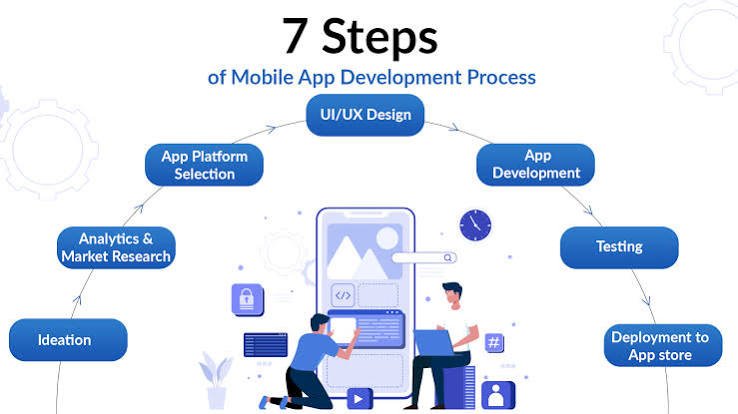
In today’s digital world, mobile applications have become an essential part of everyday life. Whether it’s ordering food, booking a ride, shopping online, or managing finances, people rely on mobile apps for convenience. However, creating a successful mobile app involves much more than just writing code. It requires careful planning, creativity, testing, and continuous improvement.
This article explains the complete mobile app development process—from the initial idea to the final launch—in a simple and easy-to-understand way.
1. Start with a Clear Idea
Every successful mobile app begins with a strong idea. Before jumping into development, identify the problem your app will solve. Ask yourself questions like:
- What issue does my app address?
- Who will use it?
- How is it different from existing apps?
- Why would users choose my app?
A clear purpose gives your project direction and increases its chances of success.
2. Conduct Market Research
Once you have an idea, research the market. Study similar apps to understand what they offer and where they fall short. Read customer reviews to learn what users appreciate and what frustrates them.
Market research helps you:
- Understand your target audience.
- Analyze competitors.
- Discover new opportunities.
- Build features users actually need.
This step reduces the risk of developing an app that has little demand.
3. Define Features and Requirements
Now it’s time to plan what your app will do. Start with the essential features that solve the main problem. Avoid adding unnecessary functions in the first version.
For example, if you’re building a food delivery app, your basic features might include:
- User registration and login
- Restaurant listings
- Search and filters
- Online ordering
- Secure payment
- Order tracking
Keeping the first version simple helps reduce development time and costs.
4. Create Wireframes and App Design
Design is one of the most important factors in user satisfaction. Before development begins, designers create wireframes that outline the structure of each screen.
After approval, they develop the user interface (UI) and user experience (UX). A good app design should be:
- Easy to navigate
- Visually appealing
- Fast and responsive
- Consistent across all screens
A well-designed app encourages users to keep using it.
5. Choose the Right Technology
Selecting the right technology depends on your goals, budget, and target audience.
Common options include:
- Native development for Android or iOS
- Cross-platform development for both platforms
- Progressive Web Apps (PWAs)
The right choice affects performance, development speed, maintenance, and future scalability.
6. Begin App Development
This is where the actual coding starts. Developers usually divide the work into two main parts:
Front-End Development
The front end includes everything users see and interact with, such as buttons, menus, forms, and animations.
Back-End Development
The back end handles the server, database, authentication, notifications, and data management that keep the app functioning smoothly.
Development often follows an agile approach, allowing teams to build and improve the app in smaller stages.
7. Test the Application Thoroughly
Testing is a crucial part of the development process. Even a well-designed app can fail if it contains bugs or performance issues.
Quality assurance teams test the app for:
- Functionality
- Performance
- Security
- Compatibility across devices
- User experience
- Load handling
Fixing issues before launch improves customer satisfaction and reduces negative reviews.
8. Launch the App
After successful testing, the app is ready for release. Developers prepare the app for submission to the Google Play Store and Apple App Store.
Before launching, make sure to:
- Write an attractive app description.
- Create high-quality screenshots.
- Design a professional app icon.
- Choose relevant keywords.
- Prepare a privacy policy.
A well-optimized app listing can improve visibility and downloads.
9. Promote Your Mobile App
Publishing your app is only the beginning. Marketing plays a vital role in reaching your target audience.
Effective promotion strategies include:
- Social media marketing
- Search engine optimization (SEO)
- Content marketing
- Influencer partnerships
- Email campaigns
- Paid advertising
Building awareness helps attract users and increase app downloads.
10. Maintain and Improve the App
The mobile app development journey doesn’t end after launch. Regular updates keep your app secure, functional, and competitive.
Developers should:
- Fix reported bugs.
- Improve performance.
- Add new features.
- Update security measures.
- Respond to user feedback.
Continuous improvement helps retain users and build long-term success.
Common Challenges in Mobile App Development
During development, businesses may face several challenges, including:
- Budget limitations
- Changing customer requirements
- Device compatibility issues
- Security concerns
- Tight project deadlines
- Competition from similar apps
Planning carefully and following a structured development process can help overcome these challenges.
Tips for Building a Successful Mobile App
To improve your chances of success:
- Focus on solving a real problem.
- Keep the interface simple and user-friendly.
- Prioritize performance and speed.
- Test regularly throughout development.
- Listen to user feedback after launch.
- Release updates consistently.
Small improvements over time often lead to greater user satisfaction.
Conclusion
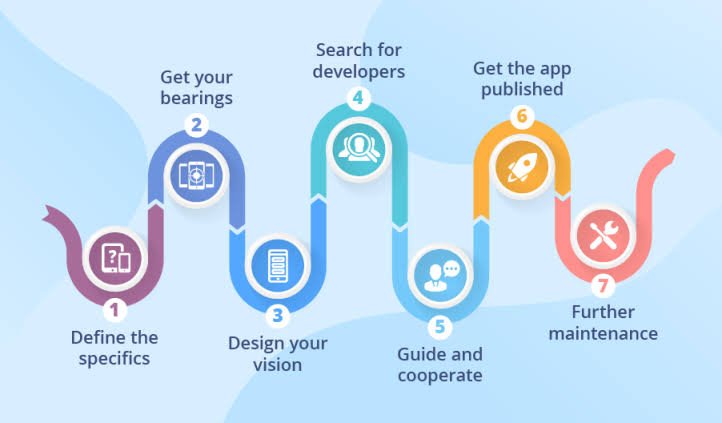
The mobile app development process is a combination of planning, creativity, technical expertise, and continuous improvement. From validating an idea and designing an intuitive interface to coding, testing, launching, and maintaining the app, every stage plays a critical role in its success.
Businesses that invest time in understanding user needs and following a well-structured development process are more likely to create applications that stand out in today’s competitive market. With the right strategy, careful execution, and ongoing updates, a mobile app can become a valuable tool for business growth and customer engagement.