
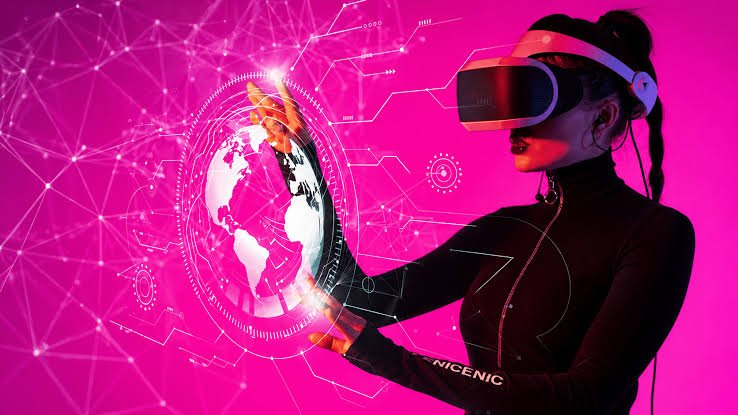
Technology is changing faster than ever before. New tools, smarter devices, advanced software, and powerful digital services are becoming part of everyday life. From the way people communicate to how businesses operate, tech developments are influencing almost every part of modern society. What once seemed like science fiction is now becoming a practical reality, and this transformation is expected to continue in the coming years.
The most interesting thing about modern technology is not simply how advanced individual products have become. It is how different technologies are starting to work together. Artificial intelligence, cloud computing, robotics, cybersecurity, smart devices, and high-speed connectivity are creating a connected digital environment that is changing how people live and work.
The Rise of Artificial Intelligence
Artificial intelligence, commonly known as AI, is one of the most important technology developments of the modern era. AI systems can analyze information, recognize patterns, understand language, generate content, and assist people with a wide range of tasks.
Businesses are using AI to improve customer service, analyze data, automate repetitive work, and make faster decisions. Consumers are also interacting with AI through virtual assistants, search tools, recommendation systems, translation services, and creative applications.
One major development is generative AI. Unlike traditional software that follows a fixed set of instructions, generative AI can produce new text, images, audio, software code, and other forms of content. This has opened new possibilities for education, marketing, software development, design, and entertainment.
However, AI also creates important questions about privacy, employment, misinformation, and responsible use. As these systems become more capable, companies and governments will need to establish sensible rules that encourage innovation while protecting people.
Smarter and More Connected Devices
Another major area of tech development is the Internet of Things, or IoT. The concept is simple: everyday objects can connect to the internet and communicate with other devices.
Smart watches can monitor activity and provide notifications. Smart home systems can control lights, thermostats, cameras, and appliances. Vehicles are becoming connected computers capable of receiving software updates and communicating with external systems.
The growth of connected devices is making technology more convenient, but it also increases the importance of security. Every connected device can potentially become a target for cybercriminals. Manufacturers therefore need to treat security as an essential part of product design rather than an optional feature.
Advances in Cloud Computing
Cloud computing has transformed the way individuals and organizations store, manage, and access information. Instead of keeping everything on a single computer or physical server, users can access applications and data through internet-connected services.
For businesses, cloud technology can reduce infrastructure costs and make it easier to scale operations. Employees can collaborate on documents, communicate with colleagues, and access important systems from different locations.
Cloud computing is also supporting other technology developments. AI applications, streaming platforms, online gaming, data analytics, and modern business software often depend on cloud infrastructure.
As demand for digital services increases, cloud providers are investing in faster systems, stronger security, and more efficient data centers. Energy consumption is becoming an increasingly important consideration, which is encouraging the industry to explore more sustainable approaches.
The Expansion of Cybersecurity
As technology becomes more deeply integrated into daily life, cybersecurity has become increasingly important. Personal information, financial records, business documents, and even critical infrastructure can be affected by cyberattacks.
Modern cybersecurity is moving beyond simple passwords and traditional antivirus software. Organizations are adopting stronger authentication, encryption, identity management, continuous monitoring, and automated threat detection.
AI is also becoming part of cybersecurity. Machine learning systems can identify unusual behavior and help security teams detect potential threats more quickly. At the same time, attackers can use advanced technology to create more sophisticated scams and attacks.
This creates an ongoing race between security professionals and cybercriminals. For ordinary users, basic habits such as using strong passwords, enabling multi-factor authentication, updating software, and being cautious with suspicious messages remain extremely valuable.
Robotics and Automation
Robotics is another field experiencing significant progress. Modern robots are no longer limited to factories. They are being developed for warehouses, hospitals, agriculture, logistics, research, and other industries.
Automation can handle repetitive or physically demanding tasks while allowing human workers to focus on responsibilities that require creativity, communication, and judgment.
In manufacturing, robots can improve consistency and productivity. In warehouses, automated systems can help move products and organize inventory. In agriculture, technology can assist with monitoring crops and managing resources.
The growth of automation does raise concerns about employment. Some jobs may disappear or change significantly, but new roles can also emerge. The challenge for society is to ensure that workers have opportunities to develop the skills required in an increasingly automated economy.
Faster Connectivity and Next-Generation Networks
Connectivity is the foundation that allows many modern technologies to function. Mobile networks have evolved rapidly, providing faster speeds and lower latency for smartphones and connected devices.
Faster networks can support applications that require quick communication between devices. These include connected vehicles, industrial automation, remote collaboration, augmented reality, and smart-city systems.
The future of connectivity is not simply about downloading files faster. It is about creating an environment where billions of devices can communicate reliably. This could become particularly important as cities, transportation systems, factories, and homes become increasingly connected.
Advances in Consumer Technology
Consumers are also benefiting from continuous innovation. Smartphones are becoming more powerful, cameras are improving, batteries are becoming more efficient, and displays are offering better quality.
Wearable technology is another growing area. Smart watches, fitness trackers, wireless earbuds, and other compact devices are combining sensors, connectivity, and computing power in increasingly convenient forms.
Foldable devices and new display technologies are also challenging traditional ideas about what a smartphone or computer should look like. Although not every new product becomes successful, experimentation encourages manufacturers to explore different approaches to personal technology.
Sustainable Technology
Technology is also playing an important role in addressing environmental challenges. Renewable energy systems, electric vehicles, smart grids, energy-efficient buildings, and advanced battery technologies are examples of innovation aimed at reducing environmental impact.
Solar and wind power have become increasingly important components of energy strategies in many regions. Battery improvements can help store electricity and make renewable energy more practical.
Electric vehicles are another significant development. Modern electric cars can offer strong performance while producing no tailpipe emissions during operation. As charging infrastructure expands and battery technology improves, electric transportation could become even more accessible.
Technology itself, however, also has an environmental cost. Data centers, electronic manufacturing, mining, and discarded devices require resources and energy. Sustainable technology therefore involves not only developing greener products but also making the technology industry itself more responsible.
The Future of Work
Tech developments are changing workplaces as well. Remote collaboration tools, automation, AI assistants, cloud applications, and digital communication platforms allow many employees to work more flexibly.
Some traditional tasks are being automated, while new responsibilities are emerging around technology management, data analysis, cybersecurity, AI oversight, and digital strategy.
The most valuable future skill may not be the ability to use one particular piece of software. Instead, adaptability could become increasingly important. Technology changes quickly, so workers who can learn new tools and understand how to apply them effectively may have an advantage.
Education systems will also need to adapt. Students need more than technical knowledge; they need critical thinking, creativity, communication, problem-solving, and digital literacy.
Technology and Healthcare
Healthcare is another sector where technology can have a meaningful impact. Digital records, remote consultations, medical imaging, wearable sensors, and data analysis are helping healthcare professionals manage information and support patients.
AI can assist researchers in analyzing large amounts of medical data and identifying patterns that may be difficult to detect manually. Wearable devices can also provide users with information about activity, sleep, and other measurements.
Technology should not replace qualified medical professionals, but it can provide tools that help them work more efficiently. Privacy and accuracy are especially important in healthcare because technology is dealing with highly sensitive information.
What Comes Next?
Predicting the future of technology is difficult because breakthroughs often come from unexpected places. Some technologies that receive enormous attention may eventually become less important, while ideas that seem experimental today could become mainstream tomorrow.
One clear trend is the convergence of technologies. AI will increasingly work with robotics. Connected devices will rely on cloud computing. Cybersecurity will become part of every digital service. Advanced networks will support increasingly complex applications.
This convergence could create systems that are more capable than any single technology on its own.
At the same time, people will continue to play the central role. Technology is a tool, and its value depends on how responsibly it is designed and used. Innovation should improve people’s lives rather than simply introduce more complexity.
Conclusion
The world of tech developments is moving at an extraordinary pace. Artificial intelligence, connected devices, cloud computing, cybersecurity, robotics, advanced networks, sustainable technology, and digital healthcare are all contributing to a broader transformation of society.
The future will bring opportunities as well as challenges. Businesses will need to adapt, workers will need to develop new skills, and consumers will need to understand how technology affects privacy and security.
The most successful technological future will not necessarily be the one with the most advanced machines. It will be the one where innovation is combined with responsibility, accessibility, security, and human creativity. As technology continues to evolve, staying informed and adaptable will be one of the best ways to make the most of the digital world ahead.