
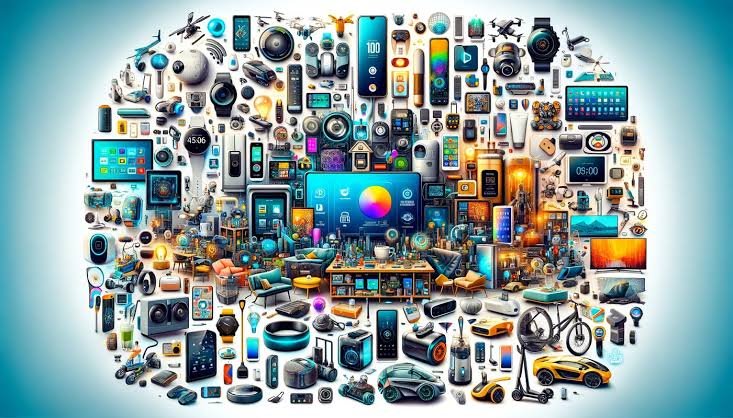
Smart devices have become an important part of modern life. From smartphones and smart watches to smart TVs, security cameras, thermostats, and home assistants, these devices are changing the way people communicate, work, shop, relax, and manage their homes. What once seemed like futuristic technology is now available to millions of households around the world.
The growing popularity of smart devices is mainly connected to convenience. People want technology that can save time, automate repetitive tasks, provide useful information, and make everyday activities easier. At the same time, improvements in wireless connectivity, artificial intelligence, sensors, and mobile applications have made smart technology more practical and affordable.
What Are Smart Devices?
Smart devices are electronic products that can connect to the internet or communicate with other devices. Unlike traditional electronics, many smart devices can collect information, process data, respond to commands, and perform certain tasks automatically.
For example, a traditional light can only be switched on or off manually. A smart light can be controlled through a smartphone, voice command, schedule, or motion sensor. Similarly, a traditional thermostat requires manual adjustment, while a smart thermostat can learn household preferences and automatically change the temperature.
Smart devices are commonly connected through Wi-Fi, Bluetooth, cellular networks, Zigbee, or other wireless technologies. Many of them are managed through mobile applications, while others can work together as part of a connected ecosystem.
Popular Types of Smart Devices
There are many different categories of smart devices, and new products continue to appear as technology develops.
Smart Smartphones
Smartphones are among the most widely used smart devices. Modern phones do much more than make calls and send messages. They provide navigation, online banking, photography, entertainment, shopping, video calls, health tracking, and access to thousands of applications.
Smartphones also act as control centers for other connected products. A person can use a phone to check a security camera, adjust home lighting, monitor appliances, or receive notifications from a smart doorbell.
Smart Watches
Smart watches have become popular because they combine communication, fitness features, and convenience in a small wearable device. Depending on the model, a smart watch can display notifications, track steps, monitor workouts, provide navigation, manage calls, and measure various wellness-related metrics.
For many users, the biggest advantage is quick access to information without having to take a smartphone out of a pocket or bag.
Smart Home Devices
Smart home technology is one of the fastest-growing areas of connected technology. Smart bulbs, plugs, locks, thermostats, doorbells, cameras, and speakers can work together to create a more automated home.
For example, a homeowner might create a routine that turns off lights, adjusts the thermostat, and locks selected doors at bedtime. These small automations can make daily routines more convenient.
Smart TVs
Smart TVs combine traditional television with internet-based services. Users can stream movies, watch online videos, browse applications, listen to music, and connect other devices directly through their television.
Because streaming has become a major part of entertainment, smart TV features are now common in many modern televisions.
Smart Speakers and Voice Assistants
Smart speakers allow users to interact with technology using voice commands. People can ask questions, play music, set reminders, check schedules, control compatible smart home products, and perform other tasks.
Voice control can be especially useful when someone is cooking, cleaning, or doing another activity where using a smartphone is inconvenient.
Benefits of Smart Devices
One of the biggest advantages of smart devices is convenience. Instead of manually performing every task, users can automate activities or control several products from one application.
Smart devices can also help people save time. A smart home routine, for example, can automatically adjust lights and appliances according to a schedule. Notifications can provide important information without requiring users to constantly check different systems.
Another benefit is customization. Many smart devices allow users to personalize settings according to their preferences. A smart lighting system may offer different brightness levels, while a smart thermostat can adjust temperatures based on daily routines.
Smart devices can also improve accessibility. Voice commands, automated controls, large displays, notifications, and remote access can make technology easier to use for people with different needs.
Smart Devices and Energy Efficiency
Energy management is another area where smart technology can be useful. Smart thermostats can help households manage heating and cooling more efficiently by adjusting settings according to schedules and usage patterns.
Smart plugs can allow users to control appliances remotely, while smart lighting systems can automatically switch lights off when they are not needed. Although the actual savings depend on the device and how it is used, automation can encourage more efficient energy habits.
Businesses can also use smart technology to monitor energy consumption in offices, stores, factories, and other facilities. Data from connected sensors can help identify areas where energy is being wasted.
Smart Devices in the Workplace
Smart technology is not limited to homes. Businesses increasingly use connected devices to improve productivity and communication.
Smart meeting-room systems can manage displays, lighting, and conference equipment. Connected sensors can monitor office occupancy and help companies understand how spaces are being used.
In industries such as manufacturing, smart sensors can collect information from machinery. This information can help businesses identify unusual behavior and address potential problems before they become serious disruptions.
Retail businesses can also use connected technology to monitor inventory, understand customer behavior, and improve store operations.
The Role of Artificial Intelligence
Artificial intelligence is making smart devices more capable. Instead of simply following basic commands, some modern devices can analyze patterns and make predictions based on available information.
For example, a smart device may learn when a user normally performs certain activities and adjust its behavior accordingly. AI can also improve voice recognition, image processing, recommendations, and automated decision-making.
As AI technology continues to develop, smart devices are likely to become more personalized. However, greater intelligence also creates questions about privacy, data collection, transparency, and user control.
Privacy and Security Concerns
While smart devices provide many advantages, they also introduce potential security and privacy challenges.
Connected devices can collect different types of information, depending on their purpose. This may include location information, usage patterns, voice recordings, device activity, or other personal data. If this information is not properly protected, it could create privacy risks.
Cybersecurity is another important concern. Any device connected to the internet can potentially become a target for unauthorized access. Weak passwords, outdated software, insecure networks, and poorly protected devices can increase security risks.
Consumers can take several basic steps to improve protection. Using strong and unique passwords, enabling available security features, updating device software, and purchasing products from reputable manufacturers are useful practices.
It is also important to understand what information a device collects and how that information is stored or shared.
Are Smart Devices Worth Buying?
Whether a smart device is worth buying depends on the user’s needs. Not every household needs every type of connected technology.
A good approach is to identify a specific problem before purchasing a device. Someone who frequently forgets to turn off lights may benefit from smart lighting or plugs. A person interested in fitness may find a wearable device useful. A homeowner concerned about monitoring entrances may consider a connected doorbell or security camera.
The best smart device is not necessarily the one with the most features. A product that is reliable, easy to use, compatible with existing technology, and supported by regular software updates can provide more practical value.
The Future of Smart Devices
The future of smart devices will likely focus on better connectivity, stronger automation, improved AI capabilities, and greater interoperability between products.
Instead of having many separate applications for different devices, consumers increasingly expect connected products to work together. Standards and platforms designed to improve compatibility could make smart homes easier to manage.
Wearable technology may also become more advanced, while connected appliances and sensors could become increasingly common in homes and workplaces.
At the same time, privacy and cybersecurity will remain important. As more devices collect and exchange information, manufacturers will need to prioritize secure design and give users greater control over their data.
Smart Devices FAQs
1. What are smart devices?
Smart devices are electronic products that can connect to the internet or communicate with other devices. They can often collect information, respond to commands, automate tasks, and be controlled through smartphones or voice assistants.
2. What are some common examples of smart devices?
Common examples include smartphones, smart watches, smart TVs, smart speakers, smart bulbs, smart thermostats, smart security cameras, smart doorbells, and connected home appliances.
3. What are the main benefits of smart devices?
Smart devices can make everyday life more convenient by automating tasks, saving time, providing remote control, offering personalized features, and helping users monitor different aspects of their homes, work, or daily activities.
4. Are smart devices safe to use?
Smart devices can be safe when they are properly secured. Users should create strong passwords, keep device software updated, use secure networks, and review privacy settings to reduce potential security and privacy risks.
5. How will smart devices change in the future?
Future smart devices are expected to become more intelligent and interconnected. Advances in artificial intelligence, automation, sensors, and wireless technology may allow devices to understand user preferences better and work together more seamlessly.
Final Thoughts
Smart devices are changing everyday life by bringing connectivity and automation into products people already use. Smartphones, smart watches, smart TVs, home assistants, connected appliances, and security products can make many daily tasks more convenient and personalized.
However, smart technology should be adopted thoughtfully. Consumers should consider usefulness, compatibility, security, privacy, cost, and long-term support before purchasing a connected product.
The smart device revolution is still developing. As artificial intelligence, wireless connectivity, and automation continue to improve, these technologies are likely to become an even more natural part of everyday life. The goal should not simply be to make everything smart, but to use smart technology where it genuinely makes life easier, safer, and more efficient.