
Introduction
Natural language is the primary way humans communicate their thoughts, feelings, ideas, and experiences. It includes languages such as English, Urdu, Arabic, Spanish, and thousands of others spoken worldwide. Unlike programming languages, natural languages develop naturally through human interaction and cultural exchange. They allow people to share information, ask questions, express emotions, and build meaningful relationships. Today, natural language also plays an important role in artificial intelligence and modern communication technologies.
1. What Is Natural Language?
Natural language refers to the languages people use in everyday conversations and written communication. It develops naturally within communities rather than being created through strict technical rules. People use natural language to describe experiences, explain ideas, and communicate their needs. Each language has its own vocabulary, grammar, expressions, and cultural characteristics. The meaning of words can change depending on the speaker, situation, and surrounding context. Natural language helps people communicate effectively in personal, educational, and professional environments. It also allows individuals to preserve traditions, share knowledge, and express their identities. Understanding natural language is essential for improving communication between people from different backgrounds.
2. Importance of Natural Language in Daily Life
Natural language is an essential part of everyday human interaction. People use it when talking with family, communicating with colleagues, or learning new information. It helps individuals explain their opinions and understand the perspectives of others. Clear language can reduce misunderstandings and make conversations more productive. In education, teachers use natural language to explain concepts and guide students through complex subjects. In workplaces, effective communication supports teamwork, planning, and problem-solving. Natural language also enables people to express emotions that may be difficult to communicate through actions alone. Its importance extends to almost every area of human life, making it a fundamental communication tool.
3. Natural Language Processing (NLP)
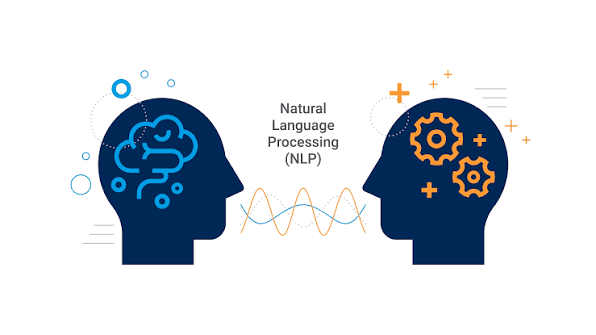
Natural Language Processing, commonly known as NLP, is a field of artificial intelligence. It focuses on helping computers understand, interpret, and generate human language. NLP combines computational methods, linguistic knowledge, and machine learning techniques. It enables computer systems to process written text and, in some applications, spoken language. For example, NLP powers chatbots, translation tools, voice assistants, and automated text analysis systems. It can identify important information in documents and recognize patterns in human communication. Modern NLP systems can also summarize lengthy texts and generate responses to user questions. These capabilities make NLP valuable in education, healthcare, business, customer support, and many other industries.
4. How Natural Language Works
Natural language works through several connected elements that help people create and understand meaning. Words provide the basic units of communication, while grammar helps arrange them into meaningful sentences. Syntax describes how words are organized within phrases and sentences. Semantics focuses on the meanings of words, expressions, and complete statements. Pragmatics examines how context and social situations influence the interpretation of language. For example, the sentence “Can you open the window?” may be a request rather than a question about ability. Tone, facial expressions, and previous conversations can also affect how a message is understood. Together, these elements make natural language flexible, expressive, and sometimes challenging for computers to interpret.
5. Applications of Natural Language
Natural language has numerous applications in modern technology and everyday services. Search engines use language-processing techniques to help users find relevant information online. Virtual assistants can interpret spoken requests and respond with useful information. Translation applications help people communicate across different languages and cultural backgrounds. Businesses use automated chat systems to answer customer questions and provide basic support. Healthcare organizations can analyze written records to identify relevant information for administrative or research purposes. Educational platforms use language technologies to support writing, reading, and personalized learning. These applications continue to develop as computer systems become better at processing human communication.
6. Natural Language and Artificial Intelligence
Natural language is a major part of the relationship between humans and artificial intelligence. AI systems use language technologies to respond to questions, follow instructions, and generate written content. Large language models learn patterns from extensive collections of text and use those patterns to produce responses. They can assist with brainstorming, summarization, translation, explanations, and many writing tasks. However, producing fluent language does not always mean that an AI system fully understands a topic. These systems may sometimes generate inaccurate information or misunderstand unclear instructions. Human review remains important when language-based AI is used for sensitive or important decisions. Responsible development can help make these tools more useful, reliable, accessible, and beneficial to society.
7. Benefits of Natural Language Technology
Natural language technology offers several advantages for individuals, organizations, and communities. It can make digital services easier to use by allowing people to communicate in familiar words. Automated language tools can reduce repetitive work and help users process large amounts of information. Translation systems can support communication between people who speak different languages. Speech recognition can help users interact with devices without typing every instruction. Text summarization can save time by highlighting the main points of lengthy documents. Language-based accessibility tools can also support people with different communication needs. When designed carefully, these technologies can improve productivity and make information more accessible.
8. Challenges of Natural Language Processing
Despite its advantages, natural language processing still faces several important challenges. Human language contains idioms, slang, humor, ambiguity, and expressions that depend heavily on context. A sentence may have different meanings depending on the situation in which it is used. Regional dialects and cultural differences can also make interpretation more difficult. Some systems perform better in widely represented languages than in languages with limited digital resources. AI-generated language may contain factual errors, misleading statements, or unintended bias. Privacy is another concern when systems process personal conversations, messages, or sensitive documents. Addressing these challenges requires better data, careful evaluation, responsible design, and continued human oversight.
9. Natural Language in Education
Natural language supports learning by helping students understand ideas and communicate their knowledge. Teachers use explanations, discussions, and written materials to introduce new concepts. Students develop their language skills through reading, writing, listening, and speaking activities. Digital learning tools can provide grammar suggestions, vocabulary support, and explanations of difficult passages. Language-based AI applications can also help students practice conversations or organize their notes. However, students should verify important information instead of relying entirely on automated answers. Teachers remain essential for providing guidance, encouraging critical thinking, and understanding individual learning needs. Combining effective teaching with responsible language technology can create more flexible learning opportunities.
10. Natural Language in Business and Communication
Businesses depend on natural language to communicate with customers, employees, and partners. Clear emails, reports, presentations, and instructions help organizations operate efficiently. Language-processing tools can categorize customer feedback and identify common questions or concerns. Automated support systems can answer routine questions and direct complex requests to human representatives. Marketing teams also use language analysis to understand customer preferences and improve communication strategies. Nevertheless, automated messages should remain accurate, respectful, and appropriate for their intended audiences. Human employees are particularly important when conversations require empathy, negotiation, or careful judgment. A combination of human communication and language technology can improve business relationships and service quality.
11. The Future of Natural Language
The future of natural language technology will likely involve more personalized and interactive digital experiences. AI systems are continually being developed to handle longer conversations and more complicated instructions. Improvements in multilingual technology may help more communities access digital services in their preferred languages. Voice interfaces could make computers easier to use in homes, workplaces, and public environments. Researchers are also exploring ways to improve accuracy, reduce bias, and make AI-generated content more dependable. At the same time, protecting privacy and preserving human control will remain important priorities. Progress will depend on technological innovation, high-quality language resources, and responsible implementation. As these systems evolve, natural language will continue to shape how people interact with digital tools.
12. How to Improve Natural Language Skills
Improving natural language skills requires regular practice and exposure to different forms of communication. Reading books, articles, and other reliable materials can expand vocabulary and strengthen comprehension. Writing regularly helps people organize their thoughts and express ideas more clearly. Listening to conversations, interviews, and educational programs can improve understanding of different speaking styles. Practicing conversations with others can build confidence and improve fluency. Learning grammar and sentence structure can make written communication more accurate and effective. Feedback from teachers, colleagues, or language-learning tools can help identify areas for improvement. Consistent practice is the key to developing stronger communication skills and using language confidently in different situations.
Conclusion
Natural language is a fundamental part of human communication, learning, and social interaction. It allows people to exchange ideas, express emotions, and share knowledge across generations. Through natural language processing, computers can perform useful tasks involving text and speech. Although language technology offers many benefits, challenges involving accuracy, context, privacy, and bias remain. Understanding natural language helps people communicate more effectively and use modern technologies responsibly.
Frequently Asked Questions (FAQs)
1. What is natural language in simple words?
Natural language is the language people use to communicate in everyday life, such as English, Urdu, Arabic, or Spanish. It develops naturally within human communities and allows people to share thoughts, feelings, and information.
2. What is natural language processing used for?
Natural Language Processing (NLP) helps computers work with human language. It is used in chatbots, translation applications, voice assistants, search engines, text summarization, and automated document analysis.
3. What is the difference between natural language and programming language?
Natural language is used by humans for everyday communication and can be flexible or ambiguous. Programming languages follow formal rules that allow developers to provide instructions to computers. Natural language is shaped by social and cultural use, while programming languages are designed for precise computational tasks.