
In today’s busy world, people often search online for simple answers to everyday questions. Whether you want to learn how to use a new app, organize your home, start a small project, fix a common problem, or improve your daily routine, a clear guide can save time and reduce confusion. This is where how guides become useful.
A good how-to guide does more than provide an answer. It explains the process in a simple way, helps readers avoid common mistakes, and gives them enough information to complete a task with confidence. Instead of searching through several complicated websites, readers can follow one well-organized guide from beginning to end.
This article explains what how guides are, why they are useful, and how you can make the most of step-by-step information.
What Are How Guides?
How guides are educational articles that explain how to complete a particular task or solve a specific problem. They normally use clear instructions that readers can follow one step at a time.
For example, a how guide might explain:
- How to organize a workspace
- How to create a strong daily routine
- How to prepare for an interview
- How to learn a new skill
- How to clean and maintain household items
- How to use common digital tools
- How to plan a simple project
- How to improve productivity
The main purpose is to make information practical. Instead of discussing a topic only in theory, a good guide tells the reader what to do and what to expect.
Why Are How Guides So Popular?
People naturally search for solutions when they have a question or problem. They may not want a long technical explanation. They usually want information that is easy to understand and apply.
How guides meet this need by breaking complicated subjects into manageable steps.
Imagine someone wants to start working from home. They may have many questions. How should they organize their desk? How can they manage their time? Which tools should they use? How can they avoid distractions?
A detailed guide can answer these questions in an organized format.
Another reason how guides are popular is that they can help beginners. Someone who has never performed a particular task may feel overwhelmed when they see complicated instructions. A well-written guide removes that uncertainty by explaining each part in straightforward language.
What Makes a Good How Guide?
Not every instructional article is equally useful. The best how guides are clear, practical, accurate, and easy to follow.
1. Start With a Clear Goal
Before writing instructions, explain what the reader will accomplish. A clear introduction helps readers understand whether the guide is right for them.
For example, instead of starting with unnecessary background information, explain what the reader will learn and why it matters.
A strong introduction creates expectations and encourages the reader to continue.
2. Use Simple Language
Good guides do not need complicated vocabulary. If a simple word can explain an idea, there is usually no reason to use a difficult one.
Short paragraphs and natural language also make articles easier to read, especially for people using smartphones.
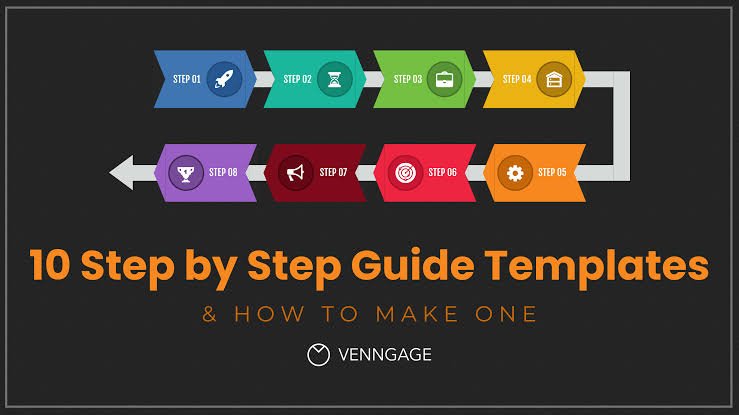
3. Break the Process Into Steps
Long instructions can become confusing. Breaking the process into smaller sections makes it easier to understand.
For example:
Step 1: Prepare your materials
Gather everything you need before starting.
Step 2: Create a basic plan
Decide what you want to accomplish and put the tasks in a logical order.
Step 3: Complete the main task
Follow the instructions carefully and check your progress as you go.
Step 4: Review your work
Make sure everything is complete before finishing.
This structure allows readers to move through the process without feeling overwhelmed.
How to Write an Effective How Guide
If you want to create your own how guides, begin by identifying a question that people genuinely want answered.
The topic should be specific enough that you can provide useful information. A broad topic may require several separate articles.
For example, “How to improve your life” is extremely broad. A more focused topic such as “How to Create a Simple Morning Routine” gives you a clearer direction.
After choosing a topic, think about the reader. Is the person a beginner or someone with experience? What problems might they face? What mistakes could they make?
Answering these questions can help you create more useful content.
Research Before Writing
Accurate information is important for any educational guide. Before publishing an article, check important facts and make sure instructions are current.
Technology, websites, software, and online services can change frequently. A guide that was accurate several years ago may no longer match the latest version of a product or platform.
Research also helps you discover questions readers commonly ask. These questions can become useful headings or sections within your article.
However, research does not mean copying information from other websites. A quality guide should explain information in an original and natural way.
Add Helpful Tips and Common Mistakes
One of the best features of a useful how guide is practical advice.
Readers appreciate knowing what can go wrong before they start. If a particular mistake is common, explain it and tell readers how to avoid it.
For example, if you are writing about organizing digital files, you could mention that creating too many folders can make information harder to find. A simpler structure may be more effective.
Small tips like these can turn a basic instructional article into a genuinely helpful resource.
Keep the Reader in Mind
A guide should be written for people, not only for search engines.
Using a keyword naturally can help search engines understand the topic, but repeating the same phrase excessively can make the article uncomfortable to read.
For the keyword “How Guides,” natural usage is more effective than forcing the phrase into every paragraph.
Search-friendly content should still feel conversational. Readers should never feel that an article was written simply to rank for a keyword.
How Guides for Everyday Life
How guides are not limited to technology or complicated projects. They can cover almost any practical subject.
For example, people may search for guides about cooking, studying, home organization, travel preparation, personal productivity, hobbies, gardening, digital tools, and many other everyday activities.
A simple guide can help someone learn something they have never tried before.
This is especially useful for beginners. Instead of asking someone else for help, they can follow clear instructions at their own pace.
Make Your Guides Easy to Scan
Many online readers do not read every word of an article immediately. They often scan headings, bullet points, and highlighted information before deciding which sections deserve closer attention.
For this reason, formatting matters.
Use descriptive headings, short paragraphs, numbered steps, and bullet points where appropriate. Avoid large blocks of text.
A clean structure also makes it easier for readers to return to the article later when they need a particular step.
Include a Useful Conclusion
A strong conclusion should briefly remind readers what they learned.
There is no need to repeat the entire article. Instead, summarize the main idea and encourage readers to apply the information.
For example, if your guide explains how to create a productive workspace, the conclusion might remind readers that a comfortable environment, organized tools, and a simple routine can make daily work easier.
The conclusion is also a natural place to encourage readers to explore related guides.
How Guides Can Build Trust
A website filled with useful how guides can become a valuable resource for its audience.
When readers consistently find practical answers, they are more likely to return when they have another question. Over time, helpful content can build familiarity and trust.
Trust is especially important online because readers have countless sources of information available to them.
Being honest about limitations is part of good content. If a method does not work for every situation, say so. If readers need professional assistance for a complicated issue, make that clear rather than pretending that one article can solve everything.
Frequently Asked Questions
Are how guides useful for beginners?
Yes. In fact, beginners often benefit the most from well-structured guides because step-by-step explanations reduce confusion.
Should a how guide be long?
Not necessarily. The ideal length depends on the subject. A guide should be long enough to answer the reader’s question completely without adding unnecessary information.
Can how guides cover different topics?
Absolutely. How guides can be created for education, technology, home projects, productivity, hobbies, cooking, organization, and many other subjects.
How often should a website publish guides?
There is no universal number. Quality is generally more important than publishing large amounts of content. A few genuinely useful guides can be more valuable than many shallow articles.
Final Thoughts
How guides make learning practical. They take a question, task, or problem and turn it into understandable steps that readers can follow.
The most effective guides are not necessarily the ones with the most complicated language or the longest explanations. They are the ones that understand the reader, answer the right question, provide clear instructions, and offer useful advice along the way.
Whether you are learning a new skill or creating content for an online audience, the same principle applies: keep things clear, useful, and focused on the person who needs the information.
A well-written guide can save someone time, help them avoid mistakes, and give them the confidence to try something new. That is the real value of helpful content—and it is why step-by-step how guides continue to be useful for readers looking for practical answers online.