
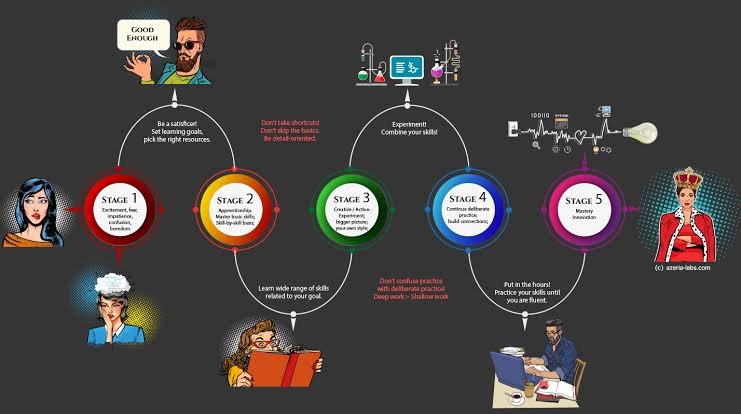
Learning something new can feel difficult when you do not know where to begin. Whether you want to learn a software program, improve your photography, build a website, cook a new recipe, or understand a complicated subject, having clear tutorial steps can make the entire process easier. A good tutorial does more than provide information. It gives you a practical path that you can follow from the first step to the final result.
In this guide, we will explore what tutorial steps are, why they are useful, and how you can use a simple step-by-step approach to learn almost anything. The goal is to make learning more organized, practical, and enjoyable.
What Are Tutorial Steps?
Tutorial steps are a series of instructions arranged in a logical order to help someone complete a task or learn a particular skill. Instead of giving you a large amount of information at once, a tutorial breaks the process into smaller and easier parts.
For example, if someone wants to learn how to create a simple website, a complete tutorial might begin with choosing a website platform. The next steps could include selecting a domain, choosing a design, adding content, and finally publishing the website.
The important thing is that each step should lead naturally to the next one. When instructions are clear and organized, beginners can follow along without feeling overwhelmed.
Why Step-by-Step Tutorials Are Helpful
People learn in different ways, but practical instructions are useful for almost everyone. A well-designed tutorial allows you to learn while actually doing the task.
One major advantage is simplicity. A complicated project can look intimidating when viewed as one large task. Once it is divided into smaller actions, it becomes much easier to understand.
Tutorials can also save time. Instead of searching through dozens of unrelated articles or videos, you can follow one organized resource from beginning to end.
Another benefit is confidence. Completing one step successfully gives you motivation to continue. Over time, these small accomplishments can turn into a valuable skill.
Step 1: Clearly Define Your Goal
Before starting any tutorial, decide exactly what you want to accomplish. A vague goal can make the learning process confusing.
Instead of saying, “I want to learn photography,” create a more specific objective such as, “I want to learn how to take better indoor photos using my camera.”
A clear goal helps you choose the right tutorial and prevents you from spending time on information that you do not currently need.
Ask yourself three simple questions:
- What do I want to learn?
- Why do I want to learn it?
- What should I be able to do when I finish?
Your answers can give you a clear direction.
Step 2: Find the Right Learning Resource
Once you know your goal, look for a tutorial that matches your current level. Beginners should generally start with beginner-friendly material rather than jumping directly into advanced instructions.
Pay attention to how the tutorial is organized. Good resources usually explain the required tools or knowledge before asking you to perform a task.
It is also useful to choose a resource that provides examples. Visual demonstrations, screenshots, diagrams, and practical exercises can make difficult concepts easier to understand.
Do not feel that you have to use the first tutorial you find. Compare a few options and select the one that explains the subject in a way that makes sense to you.
Step 3: Prepare Everything You Need
Preparation is an important part of successful learning. Before beginning the actual tutorial steps, make sure you have the necessary tools, materials, software, or information.
For a cooking tutorial, this could mean preparing the ingredients. For a computer tutorial, you might need to install a particular application. For a home project, you may need specific tools.
Preparing everything in advance prevents unnecessary interruptions. It also allows you to concentrate on the instructions instead of constantly stopping to find something you need.
If the tutorial includes a list of requirements, review it carefully before starting.
Step 4: Follow the Instructions in Order
One of the most common mistakes beginners make is skipping steps because they appear unimportant. A tutorial is usually structured in a particular order for a reason.
Follow each instruction carefully before moving forward. If a tutorial asks you to complete three actions, complete all three before continuing to the next section.
This does not mean you can never experiment. Experimentation is an excellent way to learn, but it is often better to understand the basic process first.
When you follow the original tutorial steps accurately, you create a reliable foundation. After that, you can begin modifying the process according to your own needs.
Step 5: Practice Instead of Only Reading
Reading instructions can help you understand an idea, but practice is what turns information into a usable skill.
After learning a new concept, try to apply it yourself. If you are following a technology tutorial, repeat the process without constantly looking at the instructions. If you are learning a creative skill, create your own small project.
Making mistakes is completely normal. In fact, mistakes can be some of the best learning opportunities because they show you where your understanding needs improvement.
Try to practice regularly rather than attempting to learn everything in one session. Even 20 or 30 minutes of consistent practice can be more useful than several hours of irregular study.
Step 6: Check Your Progress
After completing several tutorial steps, stop and review what you have learned. Ask yourself whether you can explain the process without looking at the instructions.
If you can complete the task independently, you are probably ready for the next level. If something still feels confusing, return to that section and practice it again.
A simple progress check might include writing down what you know, completing a short exercise, or creating something without assistance.
Progress does not always happen quickly. Some subjects require repeated practice before they become comfortable.
Step 7: Learn From Your Mistakes
A mistake does not necessarily mean that you have failed. It often means that you have discovered something that needs more attention.
When something goes wrong, avoid simply starting over without understanding the problem. Instead, identify what caused the mistake.
For example, perhaps you skipped an instruction, misunderstood a term, used the wrong setting, or expected a different result. Once you identify the reason, you can correct it and avoid repeating the same problem.
Keeping short notes about common mistakes can be surprisingly helpful. These notes can become your own personal reference guide.
Step 8: Try the Process on Your Own
Following tutorial steps is useful when you are beginning, but eventually you should try working without them.
Start with a small independent project. Use what you learned to create something slightly different from the original example.
This is where true understanding begins. You are no longer simply copying instructions; you are making decisions based on your knowledge.
If you make mistakes during this stage, return to the relevant tutorial section when necessary. Learning does not have to follow a straight line.
Step 9: Move From Beginner to Advanced Skills
Once you are comfortable with the basics, look for more challenging tutorials. Advanced resources can introduce techniques, shortcuts, and concepts that help you improve.
However, avoid rushing into advanced material simply because it appears more impressive. Strong fundamentals are usually more valuable than having limited knowledge of complicated techniques.
Build your skills gradually. Master one concept before adding another, and look for opportunities to combine the skills you already know.
Over time, the basic tutorial steps that once required careful attention will become automatic.
How to Create Better Tutorial Steps
If you are creating tutorials for other people, clarity should be your highest priority. Imagine that your reader has never completed the task before.
Start with a short explanation of the goal. Then provide any necessary requirements before beginning the main instructions.
Each step should focus on a clear action. Avoid combining too many unrelated actions into one paragraph. When a process is complicated, divide it into smaller sections.
Use simple language and explain unfamiliar terms. Screenshots or examples can also be useful when a reader needs to identify a particular button, setting, tool, or result.
Finally, explain what the reader should expect after completing each important stage. This gives them a way to check whether they are on the right track.
Common Problems With Tutorials
Not every tutorial is equally useful. Some contain too much unnecessary information, while others leave out important details.
One common problem is unclear language. Instructions such as “adjust the settings” are not very helpful if several different settings are available.
Another issue is outdated information. Software, websites, devices, and online services can change over time, so instructions should be reviewed periodically.
Some tutorials also assume that readers already understand basic concepts. For beginners, this can create unnecessary confusion.
When a tutorial becomes difficult to follow, do not immediately assume that you are incapable of learning the subject. The problem may simply be that the tutorial does not match your learning level.
Tips for Learning More Effectively
You can make tutorial-based learning more productive by developing a few simple habits.
First, take your time. Understanding a concept is more valuable than rushing through a long tutorial.
Second, keep your learning environment organized. Remove unnecessary distractions and keep your tools ready before starting.
Third, practice what you learn. Knowledge becomes much more useful when you can apply it independently.
Finally, stay patient. Every experienced person was once a beginner. Skills develop through repetition, curiosity, and consistent effort.
Frequently Asked Questions About Tutorial Steps
1. What are tutorial steps?
Tutorial steps are clear, organized instructions that explain how to complete a task or learn a specific skill. They break a complicated process into smaller actions that are easier to understand and follow.
2. Why are tutorial steps important?
Tutorial steps make learning simpler and more organized. They help beginners understand what to do first, what to do next, and how to complete a task without becoming overwhelmed.
3. How do I choose the right tutorial?
Choose a tutorial that matches your current skill level and learning goal. Beginners should look for simple explanations, practical examples, clear instructions, and up-to-date information.
4. Should I follow every tutorial step in order?
Yes, especially when you are learning something for the first time. Steps are usually arranged in a specific order because later actions may depend on something completed earlier.
5. What should I do if I make a mistake while following a tutorial?
Do not worry about making mistakes. Review the previous steps, identify what went wrong, and try the process again. Mistakes can help you understand the subject better.
6. How can I remember what I learn from a tutorial?
Practice is one of the best ways to remember new information. You can also take short notes, repeat the process without assistance, and create your own small project using the skills you learned.
7. Can tutorials help advanced learners?
Absolutely. Tutorials are not only for beginners. Advanced learners can use detailed tutorials to discover new techniques, improve existing skills, learn shortcuts, and explore more complex topics.
8. How can I create effective tutorial steps?
Start by clearly explaining the goal and required materials or tools. Then divide the process into simple actions, use clear language, provide examples where useful, and explain what the expected result should be after important steps.
Final Thoughts
Following clear tutorial steps can transform a complicated learning experience into a manageable process. By defining your goal, choosing the right resource, preparing your tools, following instructions carefully, practicing regularly, and reviewing your progress, you can build confidence in almost any new skill.
The most important lesson is that learning does not happen simply by reading instructions. You need to take action, make mistakes, correct them, and gradually become more independent.
A good tutorial gives you the direction, but your practice gives you the ability. Start with one small goal, complete each step carefully, and continue building from there. With patience and consistent effort, even a skill that seems difficult at first can become something you understand and use confidently.