
Mobile devices have become an essential part of modern life. From smartphones and tablets to smartwatches and other connected gadgets, these devices have changed the way people communicate, work, study, shop, travel, and enjoy entertainment. What was once considered a luxury is now a daily necessity for millions of people around the world.
The rapid development of mobile technology has made devices smaller, faster, and more powerful. Today, a smartphone can perform many of the same basic tasks that once required a computer, camera, GPS device, music player, television, or even a traditional telephone. As technology continues to improve, mobile devices are becoming even more useful and closely integrated into everyday routines.
What Are Mobile Devices?
Mobile devices are portable electronic products designed to provide computing, communication, entertainment, or other digital services while allowing users to move freely. Smartphones are the most common example, but the category also includes tablets, smartwatches, e-readers, portable gaming systems, and other connected devices.
Modern mobile devices typically use wireless technologies such as Wi-Fi, Bluetooth, 4G, and 5G. They can connect users to the internet almost anywhere, depending on network availability. Many devices also include cameras, microphones, GPS systems, biometric sensors, and powerful processors.
This combination of portability and functionality is one of the main reasons mobile devices have become so popular.
The Evolution of Mobile Devices
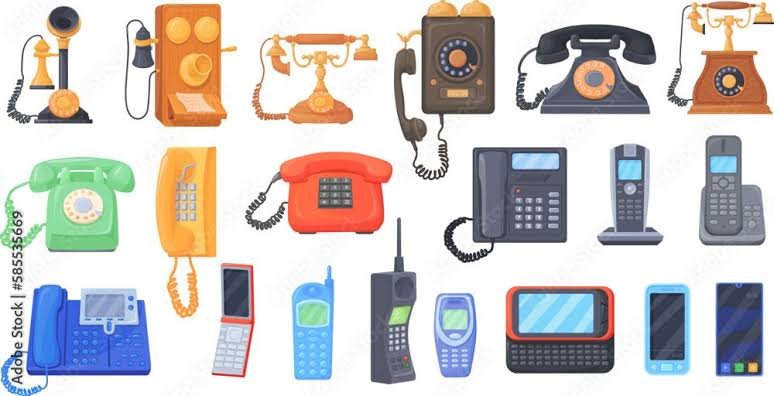
Mobile technology has changed dramatically over the past few decades. Early mobile phones were primarily designed for making calls. They were often large, expensive, and limited in functionality. Sending text messages became an important feature later, giving users another convenient way to communicate.
The introduction of smartphones transformed the industry. Touchscreens, mobile applications, internet access, high-quality cameras, and advanced operating systems turned phones into multipurpose computers that could fit inside a pocket.
As mobile processors became more powerful, developers created applications for almost every aspect of daily life. Users can now manage finances, order food, attend online classes, edit documents, navigate unfamiliar locations, and communicate with people across the world from a single device.
Mobile Devices in Communication
Communication is one of the biggest areas influenced by mobile technology. People no longer need to be sitting at home or in an office to stay connected. A smartphone can provide phone calls, text messages, emails, video calls, and social media communication from almost any location with internet or cellular service.
Messaging applications have also made international communication easier and more affordable. Families living in different countries can use voice and video calls to remain connected without depending entirely on traditional telephone services.
Mobile devices have also changed professional communication. Employees can respond to messages, join virtual meetings, review documents, and collaborate with colleagues while traveling or working remotely. This flexibility has become particularly valuable as remote and hybrid work have become more common.
Mobile Devices for Education
Education has also benefited from the growth of mobile technology. Students can access digital textbooks, educational applications, online courses, research materials, and instructional videos using smartphones or tablets.
For students who do not always have access to a traditional computer, a mobile device can provide an affordable way to reach educational resources. Teachers can also use mobile applications to distribute assignments, communicate with students, and create interactive learning experiences.
Mobile learning can make education more flexible because students are not always restricted to a classroom or library. They can review lessons while traveling, practice a new language during free time, or watch educational content whenever they have an internet connection.
However, technology should complement good teaching rather than replace it. Students still need guidance, critical thinking skills, and opportunities for direct interaction with teachers and classmates.
Mobile Devices in Business
Businesses of all sizes rely on mobile devices to improve productivity and customer service. Employees can access company information, communicate with customers, manage schedules, and complete tasks without being tied to a desk.
Small businesses have especially benefited from mobile technology. A smartphone can be used to photograph products, promote services on social media, communicate with customers, accept certain types of payments, and manage online orders.
Mobile devices have also contributed to the growth of e-commerce. Consumers can browse products and make purchases from almost anywhere. Retail companies have responded by creating mobile-friendly websites and applications designed to make shopping faster and more convenient.
For businesses, this means having a strong mobile presence is no longer optional in many industries.
Entertainment on Mobile Devices
Entertainment has become more portable than ever. Smartphones and tablets allow people to watch movies, listen to music, play games, read books, and follow online content from almost anywhere.
Streaming services have played a major role in this transformation. Instead of downloading large collections of media or carrying physical discs, users can access enormous libraries through internet-connected devices.
Mobile gaming has also become a major form of entertainment. Modern smartphones can support games with impressive graphics and sophisticated features. Casual games can provide a quick way to relax, while competitive mobile gaming has developed its own large communities.
Social media is another important part of mobile entertainment. People can create, watch, and share photos and videos within seconds.
Mobile Devices and Health Tracking
Many modern mobile devices include features designed to help users monitor aspects of their daily activity. Smartphones and smartwatches can track steps, workouts, heart-rate information, sleep patterns, and other measurements depending on the device and available sensors.
These features can encourage people to become more aware of their habits. For example, someone who notices they are taking very few steps during the day may decide to walk more often.
Health-related technology should not be viewed as a replacement for professional medical advice. Sensors and applications can provide useful information, but their measurements may have limitations. Still, mobile technology has created new opportunities for people to become more engaged with their everyday wellness.
The Importance of Mobile Security
As people store more personal information on mobile devices, security has become increasingly important. Smartphones may contain private photographs, messages, contacts, financial information, work documents, and account credentials.
Users should take basic precautions to protect their devices. Using a strong screen lock, keeping software updated, installing applications from trusted sources, and being careful with suspicious links can reduce common security risks.
It is also important to understand application permissions. Some applications request access to location data, contacts, cameras, microphones, or files. Users should consider whether those permissions are necessary before granting access.
Regular backups can provide additional protection. If a device is lost, damaged, or stolen, a current backup can make it much easier to recover important information.
The Environmental Impact of Mobile Devices
Although mobile technology provides many benefits, it also creates environmental challenges. Manufacturing electronic devices requires raw materials, energy, and complex supply chains. When old phones and other electronics are discarded incorrectly, they contribute to electronic waste.
Consumers can help reduce this impact by keeping devices for longer when practical, repairing them when possible, and recycling old electronics through appropriate programs.
Manufacturers are also exploring ways to improve product durability, energy efficiency, recycling, and the responsible use of materials. As demand for electronics continues to grow, environmental considerations will remain an important part of the technology industry.
Choosing the Right Mobile Device
There is no single mobile device that is perfect for everyone. The best choice depends on how the device will be used.
Someone who primarily wants communication and basic applications may not need an expensive flagship smartphone. A professional who uses demanding applications may benefit from a more powerful device with greater storage and processing capability.
Important factors to consider include battery life, screen quality, storage capacity, camera performance, operating system, durability, connectivity, software support, and price.
Tablets can be useful for people who want a larger screen for reading, studying, drawing, watching videos, or working on documents. Smartwatches are designed for users who want quick access to notifications, activity information, and other features directly from their wrists.
Thinking about actual needs before making a purchase can help consumers avoid paying for features they rarely use.
The Future of Mobile Devices
The future of mobile devices is likely to focus on greater intelligence, improved connectivity, stronger security, and more personalized experiences. Artificial intelligence is already becoming part of many mobile applications and operating systems.
Future devices may become better at understanding user preferences and completing tasks with less manual interaction. Improvements in battery technology, displays, cameras, processors, and wireless networks could also make mobile devices more capable.
Wearable technology may become increasingly connected with smartphones and other digital services. Foldable and flexible displays could offer new ways to combine portability with larger screens.
At the same time, privacy will remain an important issue. As devices collect more information and become more intelligent, consumers will want greater control over their personal data.
FAQs About Mobile Devices
1. What are mobile devices?
Mobile devices are portable electronic devices that allow users to communicate, access the internet, use applications, consume entertainment, and perform various digital tasks. Smartphones, tablets, and smartwatches are common examples.
2. What are the most common types of mobile devices?
The most common types include smartphones, tablets, smartwatches, e-readers, and portable gaming devices. Each type is designed for different purposes, such as communication, productivity, entertainment, or fitness tracking.
3. Why are mobile devices important in everyday life?
Mobile devices make it easier to communicate, work, study, shop, navigate, access information, and enjoy entertainment. Their portability allows people to perform many tasks without being tied to a desktop computer.
4. How do mobile devices help students?
Students can use mobile devices to access online courses, digital books, educational applications, research materials, videos, and communication tools. Tablets and smartphones can make learning more flexible and accessible.
5. How can I keep my mobile device secure?
Use a strong password or biometric lock, keep the operating system updated, download apps from trusted sources, avoid suspicious links, and review application permissions. Regularly backing up important data is also recommended.
6. Are mobile devices useful for businesses?
Yes. Businesses use mobile devices for communication, customer service, online sales, marketing, scheduling, payments, document management, and remote work. They can help employees remain productive while away from the office.
7. What should I consider when buying a mobile device?
Consider your budget, battery life, storage, screen quality, camera, processing performance, operating system, durability, connectivity, and software support. The best device depends on your personal needs rather than simply choosing the most expensive model.
8. What is the future of mobile devices?
The future of mobile devices is expected to include more artificial intelligence, faster connectivity, improved batteries, stronger security, advanced cameras, and innovative displays. Wearable and foldable technologies may also become more common as mobile technology continues to develop.
Conclusion
Mobile devices have transformed modern society by bringing communication, information, entertainment, productivity, and digital services into portable products. Smartphones, tablets, smartwatches, and other connected technologies have changed how people interact with the world around them.
Their advantages are clear: communication is faster, information is easier to access, work can be more flexible, and entertainment is available almost anywhere. At the same time, users must consider privacy, security, screen-time habits, electronic waste, and responsible technology use.
The most valuable mobile device is not necessarily the newest or most expensive model. It is the one that fits the user’s needs, budget, and lifestyle. As technology continues to advance, mobile devices will likely become even more integrated into everyday life, making them one of the most influential technologies of the modern era.