
Technology has become an important part of everyday life. From the moment we wake up to the time we go to bed, we use different devices to communicate, work, study, relax, and stay organized. Among all these innovations, tech gadgets have become especially popular because they make complicated tasks easier and bring useful features into a small, convenient package.
A tech gadget does not always have to be expensive or complicated. Sometimes, a simple wireless accessory can save time, while a smart home device can make an entire room more comfortable. The best gadgets are those that solve real problems instead of simply adding another device to our lives.
In this article, we will explore some of the most useful types of tech gadgets, what makes them valuable, and how to choose the right technology for your needs.
What Are Tech Gadgets?
Tech gadgets are electronic devices designed to perform specific functions, improve convenience, or provide entertainment. They can include smartphones, smartwatches, wireless earbuds, tablets, portable chargers, smart speakers, fitness trackers, smart home products, and many other devices.
The technology industry changes quickly, so new gadgets appear every year. Some products become popular because they introduce an entirely new idea, while others improve an existing product with better battery life, stronger performance, or a more convenient design.
The important thing is not to buy every new device that appears. Instead, consumers should focus on gadgets that provide genuine value and fit naturally into their daily routines.
Smartwatches for a Connected Lifestyle
Smartwatches are among the most useful modern gadgets. Although they look like traditional watches, they can perform many additional functions. Depending on the model, a smartwatch can display notifications, track workouts, monitor activity, provide navigation, control music, and help users stay connected without constantly reaching for their phones.
For people who exercise regularly, fitness-related features can be particularly useful. A smartwatch can record steps, workout duration, heart rate, and other activity information.
Another advantage is convenience. Seeing a message or incoming call on your wrist can be much easier than taking your phone out of your pocket every few minutes.
However, battery life, compatibility, comfort, and available features should all be considered before buying one.
Wireless Earbuds for Everyday Entertainment
Wires can be inconvenient, especially when traveling, exercising, or working. Wireless earbuds have solved much of that problem by providing a compact way to listen to music, podcasts, videos, and phone calls.
Modern wireless earbuds often include features such as noise cancellation, touch controls, multiple microphones, and charging cases. Some models are designed specifically for workouts, while others focus on sound quality and comfort.
Battery life is an important factor when choosing earbuds. A good charging case can provide several additional charges, making it possible to use the earbuds throughout the day.
Comfort should also receive attention. The most expensive earbuds are not necessarily the best choice if they do not fit comfortably in your ears.
Portable Chargers Keep Devices Running
One of the biggest frustrations of modern technology is running out of battery at the wrong time. Portable chargers, also known as power banks, provide a simple solution.
A portable charger can be particularly useful during long trips, outdoor activities, busy workdays, or situations where a power outlet is not available. Different models offer different capacities and charging speeds.
When selecting a power bank, consumers should look at capacity, charging ports, size, weight, and compatibility with their devices. A very large battery may provide more power, but it can also be heavier to carry.
For frequent travelers, a compact and reliable model may be more practical than the largest option available.
Smart Home Gadgets Make Daily Tasks Easier
Smart home technology has moved beyond expensive futuristic concepts. Today, consumers can find a wide range of connected products designed for ordinary homes.
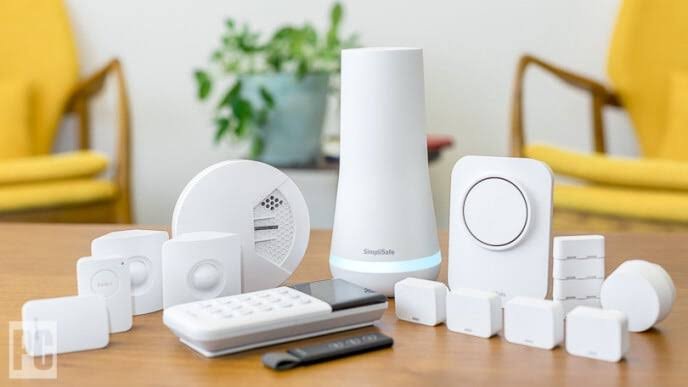
Smart lights, smart plugs, video doorbells, security cameras, thermostats, and smart speakers are examples of gadgets that can connect to a home network.
Smart lighting is a simple place to begin. Users can often control compatible lights through a mobile application or voice commands. Some systems can also create schedules, allowing lights to turn on or off automatically.
Smart plugs can make ordinary appliances more convenient by allowing users to control them remotely. These small devices can be useful for lamps, fans, and other compatible electronics.
Before purchasing smart home products, it is important to check compatibility. Not every device works with every smart home platform.
Tablets for Work, Learning, and Entertainment
Tablets occupy an interesting space between smartphones and laptops. They offer a larger display than a phone while remaining relatively portable.
Students can use tablets for reading, taking notes, attending online classes, and accessing educational applications. Professionals may use them for documents, presentations, video meetings, and creative work.
Tablets can also be excellent entertainment devices. A larger screen makes watching movies, reading digital books, and browsing the internet more comfortable.
The right tablet depends on how it will be used. Someone who primarily reads and watches videos may not need the same performance as a designer or professional who uses demanding applications.
Storage capacity, screen quality, battery life, processing performance, and accessory support are all worth considering.
Fitness Trackers Encourage Healthy Habits
Fitness trackers are another popular category of technology. These small wearable devices can help people become more aware of their daily activity.
Many trackers count steps, record workouts, estimate calories burned, and provide activity summaries. Some advanced devices include additional health and wellness features.
The biggest benefit may not be any individual measurement. Instead, seeing daily activity information can encourage users to move more consistently and develop better routines.
It is important to remember that consumer fitness devices are designed primarily for general wellness and should not automatically be treated as professional medical equipment.
Cameras and Mobile Photography Gadgets
Smartphone cameras have improved dramatically, but additional photography gadgets can still be useful. Tripods, portable lights, microphones, stabilizers, and camera accessories can help users produce better photos and videos.
Content creators can benefit from small lighting systems and external microphones because good audio and lighting can make a major difference in video quality.
A compact tripod can also be useful for family photographs, travel videos, online meetings, or social media content.
The best accessory depends on the type of content being created. Someone who records travel videos may prioritize portability, while a home-based creator may prefer larger equipment.
Gaming Gadgets for Better Entertainment
Gaming technology has developed into a massive industry, and gamers have access to an enormous range of gadgets. Gaming keyboards, mice, controllers, headsets, monitors, and handheld gaming systems can all enhance the experience.
A quality gaming headset can provide clearer audio and make communication with teammates easier. A responsive mouse can be important for competitive games, while a comfortable controller may be preferable for racing, sports, or adventure titles.
Ergonomics should not be ignored. Gamers can spend many hours using their equipment, so comfortable designs can be more valuable than flashy features.
How to Choose the Right Tech Gadget
With so many choices available, buying technology can sometimes feel overwhelming. A few simple questions can make the process easier.
First, identify the problem you want the gadget to solve. Do you need better battery life, easier communication, improved productivity, or more entertainment options?
Second, establish a realistic budget. A higher price does not always mean a better experience. Sometimes a mid-range product offers everything an average user needs.
Third, check compatibility. This is particularly important for accessories, smart home devices, and products designed for specific operating systems.
Finally, think about long-term value. Look for reliable products with useful features rather than buying something simply because it is currently popular.
Are Expensive Gadgets Always Better?
Not necessarily. Premium gadgets often offer advanced materials, stronger performance, additional features, and more sophisticated designs. However, many affordable products can perform basic tasks extremely well.
For example, someone who only needs wireless earbuds for occasional phone calls and music may not need a premium model with every available feature.
The best gadget is not the one with the highest price. It is the one that provides the right combination of functionality, reliability, comfort, and value.
The Future of Tech Gadgets
The future of consumer technology is likely to focus on convenience, artificial intelligence, connectivity, energy efficiency, and personalized experiences. Devices are becoming increasingly capable of working together, creating ecosystems where phones, watches, computers, vehicles, and home appliances can communicate with each other.
Artificial intelligence is also becoming a larger part of everyday technology. Instead of simply responding to commands, future gadgets may become better at understanding user preferences and helping with routine tasks.
At the same time, privacy and security will remain important concerns. As more devices collect and exchange information, consumers will need to pay greater attention to permissions, account security, software updates, and data practices.
Frequently Asked Questions (FAQs)
1. What are tech gadgets?
Tech gadgets are electronic devices designed to make everyday activities easier, more convenient, productive, or entertaining. Examples include smartwatches, wireless earbuds, tablets, portable chargers, fitness trackers, and smart home devices.
2. Which tech gadgets are most useful for everyday life?
Some of the most useful tech gadgets include wireless earbuds, smartwatches, portable chargers, tablets, smart lights, and fitness trackers. The best choice depends on your personal needs and lifestyle.
3. How do I choose the right tech gadget?
Consider your specific needs, budget, device compatibility, battery life, features, durability, and user reviews. Avoid buying a gadget simply because it is popular; focus on whether it provides genuine value for you.
4. Are expensive tech gadgets always better?
No. Expensive gadgets may offer premium features and better materials, but affordable and mid-range products can also provide excellent performance. The best gadget is one that offers the features you actually need at a reasonable price.
5. What should I consider before buying a smart gadget?
Check compatibility with your existing devices, privacy and security features, battery life, software support, ease of use, and overall reliability. It is also useful to consider whether the gadget will remain practical and supported for several years.
Final Thoughts
Tech gadgets can make everyday life more convenient, productive, and enjoyable when they are chosen carefully. From smartwatches and wireless earbuds to portable chargers, tablets, fitness trackers, gaming accessories, and smart home devices, there are options for almost every lifestyle.
However, buying the newest gadget is not always the smartest decision. Before making a purchase, consider your actual needs, budget, device compatibility, durability, and the features you are likely to use.
Technology should serve people rather than create unnecessary complications. The most valuable gadget is ultimately the one that solves a genuine problem and makes your daily routine a little easier.
As technology continues to evolve, consumers will have even more choices. Staying informed and making thoughtful purchasing decisions can help ensure that those choices lead to useful improvements rather than unnecessary expenses.