
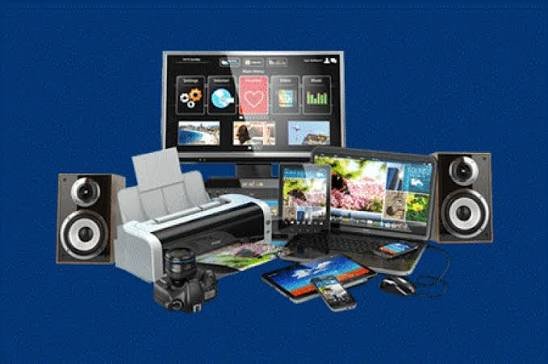
Electronic devices have become an essential part of everyday life. From the smartphone in your pocket to the television in your living room, technology helps people communicate, work, study, relax, and manage daily activities more efficiently. As technology continues to develop, electronic devices are becoming smarter, faster, smaller, and more connected.
Whether you are planning to buy a new device or simply want to understand modern technology better, learning about different types of electronic devices can help you make informed decisions. This guide explores popular electronic devices, their benefits, important features, and the things you should consider before making a purchase.
What Are Electronic Devices?
Electronic devices are machines or tools that use electrical energy and electronic components to perform specific functions. They can process information, display content, connect to networks, store data, produce sound, or automate different tasks.
Modern electronic devices are often built with advanced components such as processors, sensors, displays, batteries, memory, cameras, and wireless communication systems. Many devices can also connect to the internet, allowing users to access information and services from almost anywhere.
Examples include smartphones, laptops, tablets, smart TVs, digital cameras, gaming consoles, headphones, smartwatches, and home appliances.
Popular Types of Electronic Devices
The world of electronics is extremely broad. Different devices are designed for different purposes, and some products combine several functions in one device.
1. Smartphones
Smartphones are among the most widely used electronic devices in the world. A modern smartphone can function as a communication tool, camera, navigation system, entertainment center, payment device, and portable computer.
People use smartphones to make calls, send messages, browse websites, watch videos, take photographs, use social media, attend online meetings, and manage personal tasks. When choosing a smartphone, factors such as battery life, camera quality, display, storage, processor performance, and software support are worth considering.
2. Laptops and Computers
Computers and laptops remain important for education, business, professional work, and entertainment. A laptop provides portability, while a desktop computer can offer strong performance and easier hardware upgrades.
Students may use computers for research, assignments, and online classes. Professionals often depend on them for communication, design, programming, accounting, video editing, and other specialized tasks.
When buying a computer, users should consider the processor, RAM, storage capacity, screen quality, battery life, operating system, and intended workload.
3. Tablets
Tablets sit between smartphones and traditional computers in terms of size and functionality. Their larger screens make them convenient for reading, watching videos, drawing, browsing the web, and studying.
Tablets can be especially useful for people who want a lightweight device for travel or everyday entertainment. Some models also support keyboards and styluses, allowing them to be used for productivity and creative work.
4. Smart TVs
Television technology has changed significantly over the years. Smart TVs can connect to the internet and provide access to streaming platforms, online videos, music, applications, and other digital services.
Screen size, resolution, display technology, sound quality, connectivity, and software features are important factors when selecting a television. A good TV can turn a living room into a convenient entertainment space without requiring several separate devices.
5. Wearable Electronic Devices
Wearable electronics are designed to be worn on the body. Smartwatches and fitness trackers are common examples.
These devices can display notifications, track activities, monitor exercise performance, provide navigation features, and connect with smartphones. Some advanced wearable products include sensors that collect information about various aspects of daily activity.
Their small size and convenience make wearables popular among people who want quick access to information without constantly checking their phones.
6. Audio Devices
Headphones, earbuds, wireless speakers, and sound systems have become popular electronic products for music and entertainment.
Wireless audio devices are particularly convenient because they reduce the need for cables. When choosing headphones or earbuds, users may want to consider sound quality, comfort, battery life, microphone performance, durability, and noise-control features.
Benefits of Electronic Devices
Electronic devices provide numerous benefits in modern life. One of the biggest advantages is convenience. Tasks that once required considerable time can now often be completed within minutes.
Communication is another major benefit. Smartphones, computers, and tablets allow people to communicate with family members, friends, customers, and colleagues regardless of distance.
Electronic devices have also transformed education. Students can access digital books, educational videos, online courses, research materials, and virtual classrooms using computers and mobile devices.
In the workplace, technology can improve productivity. Employees can communicate through video meetings, manage documents digitally, automate repetitive tasks, and collaborate with teams from different locations.
Entertainment has also become more accessible. People can stream movies, listen to music, play games, read books, and explore online content using a wide variety of electronic devices.
How to Choose the Right Electronic Device
With so many products available, choosing the right electronic device can sometimes feel overwhelming. The best approach is to focus on your actual needs rather than simply selecting the newest or most expensive product.
First, determine what you want the device to do. A student may need a reliable laptop for research and assignments, while a creative professional might require a powerful computer with a high-quality display.
Next, consider performance. Processor speed, memory, storage, and graphics capabilities can have a major effect on how smoothly a device performs.
Battery life is another important consideration for portable electronics. A device with excellent features may become inconvenient if its battery frequently needs charging.
You should also consider durability and build quality. A well-designed device may provide better long-term value than a cheaper product that needs frequent replacement.
Finally, compare warranties, software support, connectivity options, and user reviews before making a final decision.
The Importance of Energy Efficiency
Electronic devices consume electricity, and energy efficiency is becoming increasingly important. Choosing energy-efficient products can help reduce electricity consumption and potentially lower household energy costs.
Simple habits can also make a difference. Turning off devices when they are not needed, reducing screen brightness, using power-saving modes, and unplugging certain electronics when appropriate can help reduce unnecessary energy use.
Manufacturers are also developing products that consume less power while providing improved performance. This benefits both consumers and the environment.
Electronic Devices and Smart Homes
The rise of smart-home technology has connected many electronic devices together. Smart lights, cameras, thermostats, speakers, locks, and appliances can communicate through wireless networks and may be controlled using smartphones or voice commands.
A connected home can provide convenience and automation. For example, users may be able to adjust lighting, monitor a security camera, or control certain appliances remotely.
However, smart devices also require careful attention to privacy and security. Users should choose strong passwords, keep software updated, and understand the permissions and data-sharing settings associated with connected products.
How to Maintain Electronic Devices
Proper maintenance can extend the useful life of electronics. Keeping devices clean and protected from excessive heat, moisture, dust, and physical damage is a good starting point.
Software updates should also be installed when appropriate because they can improve performance, fix problems, and address security weaknesses.
For smartphones, tablets, and laptops, using suitable chargers and avoiding extreme temperatures can help protect the battery. Accessories such as protective cases and screen protectors may also reduce the risk of accidental damage.
It is equally important to store electronic devices safely when they are not being used. Small amounts of regular care can prevent expensive repairs or early replacement.
The Future of Electronic Devices
The future of electronics is likely to focus on greater connectivity, improved efficiency, artificial intelligence, and more personalized experiences. Devices are becoming increasingly capable of understanding user preferences and responding to different situations.
Artificial intelligence is already being incorporated into smartphones, computers, cameras, home appliances, and other products. Future devices may become even more capable of automating everyday tasks and providing personalized assistance.
Flexible displays, improved batteries, advanced sensors, and faster wireless communication may also influence the next generation of electronics.
As technology develops, consumers will have more choices than ever. This makes it increasingly important to understand what a device actually offers rather than purchasing based solely on marketing claims.
FAQs About Electronic Devices
1. What are electronic devices?
Electronic devices are machines that use electrical energy and electronic components to perform specific tasks. Common examples include smartphones, laptops, tablets, televisions, smartwatches, headphones, and gaming consoles.
2. What are the most common electronic devices?
Some of the most commonly used electronic devices include smartphones, computers, laptops, tablets, smart TVs, wireless earbuds, smartwatches, digital cameras, and gaming consoles.
3. How do I choose the right electronic device?
Choose a device based on your needs, budget, performance requirements, battery life, storage, durability, and available features. It is also helpful to compare specifications and reviews before purchasing.
4. How can I make my electronic devices last longer?
Keep devices away from excessive heat, moisture, and dust. Use suitable chargers, install software updates, protect screens and bodies from physical damage, and maintain batteries properly.
5. Why are electronic devices important in everyday life?
Electronic devices make communication, education, work, entertainment, and daily tasks easier and faster. They provide convenient access to information and allow people to stay connected from almost anywhere.
Conclusion
Electronic devices have changed the way people communicate, work, learn, and enjoy entertainment. Smartphones, computers, tablets, televisions, wearable technology, and audio products each serve different purposes, while connected smart-home products are bringing many devices together.
When purchasing electronics, it is important to consider your personal needs, performance requirements, battery life, durability, energy efficiency, security, and long-term value. The most expensive device is not necessarily the best choice; the right device is the one that provides the features you genuinely need.
As technology continues to advance, electronic devices will likely become more intelligent, efficient, and connected. By understanding the available options and making thoughtful purchasing decisions, consumers can get greater value from technology while using it responsibly and effectively.