
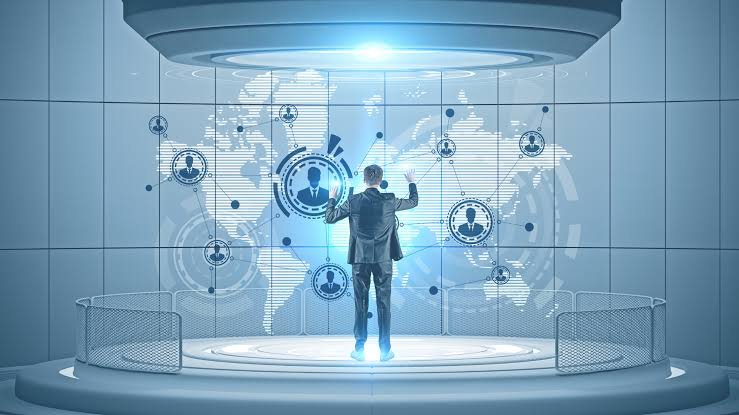
The future of intelligence is no longer a distant idea reserved for science-fiction movies. It is already becoming part of everyday life through artificial intelligence, machine learning, automation, robotics, and advanced data systems. From the way people search for information to the way businesses make decisions, intelligent technology is changing how humans interact with the world.
But what exactly will intelligence look like in the future? Will machines eventually become smarter than humans? Will artificial intelligence replace jobs, or will it create new opportunities? And perhaps most importantly, how can people prepare for a world where human intelligence and machine intelligence work together?
These questions are becoming increasingly important as technology develops at a rapid pace. The future of intelligence will not simply be about creating smarter machines. It will also be about improving human abilities, making better decisions, solving complex problems, and using technology responsibly.
What Is the Future of Intelligence?
The future of intelligence refers to the continued development of systems that can learn, reason, understand information, recognize patterns, and assist humans in making decisions. Artificial intelligence is currently the most visible part of this transformation, but the concept is much broader.
Modern intelligent systems can already analyze enormous amounts of information in seconds. They can recognize images, understand natural language, translate languages, recommend products, detect unusual patterns, and help professionals complete complicated tasks.
In the future, these capabilities are expected to become more advanced and more integrated into everyday life. Instead of interacting with technology only through computers and smartphones, people may communicate with intelligent systems through homes, vehicles, wearable devices, workplaces, and other connected environments.
The important change is that intelligence will increasingly become something people interact with continuously rather than something they access only when they open a particular application.
Artificial Intelligence Will Become More Personal
One of the biggest developments in the future of intelligence will be personalization. Today’s digital services already recommend videos, music, products, news, and online content based on user behavior. Future intelligent systems could go much further.
An intelligent personal assistant may understand a person’s preferences, routines, goals, and communication style. Instead of simply answering a question, it could help organize information, manage schedules, explain complicated subjects, and support decision-making.
For example, imagine starting your day with an intelligent assistant that summarizes important information, identifies potential schedule conflicts, helps prioritize tasks, and provides useful recommendations. Rather than replacing human decision-making, such technology could reduce the amount of time people spend on repetitive information management.
This could make technology feel less like a tool and more like a personalized partner for productivity.
Human Intelligence Will Remain Essential
Despite rapid advances in artificial intelligence, human intelligence will continue to play a critical role. Machines are excellent at processing information and identifying patterns, but human beings possess qualities that are difficult to reproduce completely.
Creativity, empathy, moral judgment, emotional understanding, cultural awareness, and personal experience are all important forms of intelligence. Humans can also understand situations through social and emotional context.
The future is therefore unlikely to be simply humans versus machines. A more realistic possibility is humans working together with intelligent systems.
A doctor, for example, might use AI to analyze medical information while relying on professional experience and communication skills to understand a patient’s individual circumstances. A teacher might use intelligent software to identify areas where students are struggling while providing encouragement and personal guidance.
The strongest results may come from combining the speed of machines with the judgment and creativity of people.
The Workplace Will Change Dramatically
The future of intelligence will have a major effect on employment. Automation is already changing how many organizations operate, and more intelligent systems are likely to handle increasingly complex tasks.
Some repetitive jobs may decline as machines become capable of performing them more efficiently. However, technological change can also create new professions and industries.
As intelligent technology becomes more common, businesses will need people who can manage AI systems, interpret data, protect digital infrastructure, design intelligent products, evaluate automated decisions, and ensure that technology is used responsibly.
Human skills will also become increasingly valuable. Communication, leadership, critical thinking, creativity, adaptability, and problem-solving may become even more important in workplaces where routine tasks are increasingly automated.
Rather than focusing only on whether AI will take jobs, it may be more useful to ask how jobs themselves will change.
Education Will Become More Adaptive
Education is another area that could experience a significant transformation. Traditional education often requires students to move through the same material at approximately the same pace. Intelligent learning systems could make education more personalized.
An AI-powered educational platform could identify where a student is struggling and provide additional explanations or exercises. Another student who understands the topic quickly could move ahead without waiting for the rest of the class.
This type of adaptive learning could help students receive support according to their individual needs.
Teachers would still be essential. Their role could evolve from delivering the same information to every student toward mentoring, guiding, motivating, and helping students develop critical thinking skills.
The future classroom may therefore combine human teachers with intelligent educational assistants.
Healthcare Could Benefit From Intelligent Technology
Healthcare is another field where the future of intelligence could have a profound impact. Intelligent systems can analyze large collections of information and identify patterns that might be difficult for humans to notice.
Future systems may assist doctors and researchers by helping analyze medical images, patient records, research findings, and other information. They could potentially support earlier identification of certain health problems and help professionals compare different treatment possibilities.
However, healthcare also demonstrates why responsible use of AI is important. Medical decisions involve human lives, privacy, ethics, and complex individual circumstances. Technology should support qualified professionals rather than encourage blind dependence on automated recommendations.
Trust, transparency, security, and human oversight will remain essential.
Smarter Cities and Transportation
The future of intelligence will not be limited to computers. Entire cities could become more intelligent through connected infrastructure.
Traffic systems may use real-time information to improve transportation efficiency. Buildings could automatically manage energy consumption based on usage patterns. Public services could use data to identify problems and respond more quickly.
Transportation may also become increasingly automated. Intelligent vehicles can already assist drivers with features such as navigation, safety alerts, and automated driving functions. Continued development could lead to transportation systems where humans and autonomous technologies share roads in new ways.
The goal should not simply be to make cities more technologically advanced. Intelligent cities should also become safer, more efficient, accessible, and environmentally responsible.
The Importance of Data
Data will remain one of the most important resources behind future intelligence. Intelligent systems depend on information to identify patterns and produce useful results.
However, more data does not automatically mean better intelligence. The quality, accuracy, relevance, and context of data matter greatly.
Poor-quality information can produce poor results. Biased data can also lead to biased outcomes. This means organizations will need strong systems for data management, privacy, security, and quality control.
People will increasingly need to understand how their information is collected and used. Transparency could become an important part of building trust in intelligent technology.
Ethics Will Shape the Future
As intelligent systems become more powerful, ethical questions will become increasingly important.
Who should be responsible when an automated system makes a harmful decision? How should personal information be protected? What limits should exist around automated decision-making? How can organizations prevent discrimination in AI systems?
There are no simple answers to these questions.
The future of intelligence should therefore not be measured only by how powerful technology becomes. It should also be measured by how responsibly that power is used.
Developers, businesses, governments, educators, and ordinary users all have a role to play in creating responsible technological systems.
Will Machines Become More Intelligent Than Humans?
One of the most fascinating questions surrounding the future of intelligence is whether machines could eventually exceed human abilities across many areas.
Artificial intelligence has already demonstrated impressive performance in specific tasks. However, human intelligence is broad and flexible. People can learn from relatively little information, adapt to unfamiliar environments, understand social relationships, and combine knowledge from completely different areas.
Whether machines will eventually achieve comparable general intelligence remains uncertain.
Instead of focusing only on predictions, society should prepare for multiple possibilities. That means investing in education, developing responsible technology policies, improving cybersecurity, and encouraging research into safe and reliable AI.
Preparation is more useful than assuming that the future will follow one particular path.
The Human Side of Intelligence
Technology often makes people think about speed, efficiency, and productivity. Yet intelligence is not only about solving problems quickly.
Human intelligence also includes understanding other people, making meaningful choices, creating art, building relationships, and deciding what is worth achieving.
As machines become better at technical tasks, these human qualities may become even more important.
People may have more opportunities to focus on creative work, strategic thinking, relationships, and activities that require personal meaning. At the same time, society will need to make sure that technological benefits are widely accessible rather than concentrated among a small number of organizations or individuals.
Preparing for the Future
Preparing for the future of intelligence does not require everyone to become a computer scientist. A more practical approach is to develop technological awareness and the ability to adapt.
Students can learn about AI and digital technologies while strengthening communication and critical-thinking skills. Employees can learn how intelligent tools are changing their industries. Businesses can invest in responsible automation and employee training.
Most importantly, people should learn to question technology rather than accepting every automated answer as correct.
The ability to evaluate information, recognize limitations, ask good questions, and make thoughtful decisions will remain valuable even as intelligent systems become more advanced.
Frequently Asked Questions About The Future of Intelligence
1. What is the future of intelligence?
The future of intelligence refers to the development of artificial intelligence, machine learning, robotics, and other technologies that can learn, analyze information, solve problems, and assist humans in different areas of life.
2. Will artificial intelligence replace human intelligence?
Artificial intelligence may automate many tasks, but it is unlikely to completely replace human intelligence. Creativity, empathy, emotional understanding, critical thinking, and moral judgment remain important human abilities.
3. How will AI change the workplace?
AI will automate many repetitive tasks and may change how people perform their jobs. At the same time, it is likely to create new roles related to technology, data, AI management, cybersecurity, and digital innovation.
4. How can AI improve education?
AI can make education more personalized by identifying individual learning needs, providing explanations, creating practice exercises, and helping students learn at their own pace. Teachers will continue to provide important guidance and human support.
5. Why is ethics important for the future of intelligence?
Ethics is important because intelligent systems can influence important decisions involving privacy, employment, healthcare, education, and security. Responsible development can help ensure that AI is used fairly, safely, transparently, and for the benefit of society.
Conclusion
The future of intelligence will be shaped by a combination of human creativity and technological progress. Artificial intelligence, automation, robotics, data analytics, and connected systems are likely to become increasingly important parts of everyday life.
However, the most important question is not whether machines will become smarter. It is how humans choose to use that intelligence.
Technology can help people solve difficult problems, improve productivity, personalize education, support healthcare, optimize cities, and discover new possibilities. But these benefits depend on responsible development, strong ethical standards, privacy protection, and meaningful human oversight.
The future of intelligence should not be viewed as a competition between humans and machines. It can instead become a new era of collaboration, where machines handle enormous amounts of information and humans provide creativity, empathy, judgment, and purpose.
If developed responsibly, intelligent technology could become one of the most powerful tools humanity has ever created. The future will not simply be about smarter machines. It will be about smarter ways for humans and machines to work together.