
Introduction
Facial Recognition is a modern technology that identifies or verifies a person by analyzing their facial features. It has become an important part of digital security, personal devices, and public safety systems. Many people use this technology without realizing how frequently it appears in everyday life. From unlocking smartphones to verifying identities at airports, facial recognition offers convenient ways to confirm who someone is. However, its growing use also raises questions about privacy, security, and responsible data collection.
1. What Is Facial Recognition?
Facial Recognition is a biometric technology that uses a person’s facial characteristics to identify or verify their identity. These characteristics may include the distance between the eyes, the shape of the nose, and the structure of the jaw. A computer system analyzes a facial image and converts selected features into a digital representation. It then compares that representation with stored information or a previously registered face. If the system finds a sufficiently close match, it may confirm the person’s identity. This process can happen within seconds, depending on the technology and available computing resources. Facial recognition is widely used because it can reduce the need for passwords, identity cards, and other traditional identification methods.
2. How Does Facial Recognition Work?
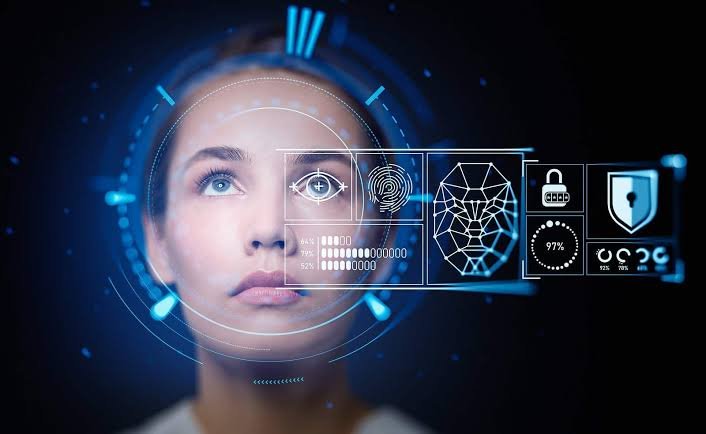
The facial recognition process usually begins when a camera captures an image or video of a person’s face. The system then detects the face and separates it from the surrounding background. Next, specialized software examines important facial features and creates a mathematical representation. This representation is compared with information stored in a database or with a previously registered facial template. The system calculates how closely the two representations match. If the similarity meets a selected threshold, the software may accept the identity or produce a possible match. Although the process appears simple to users, it relies on image processing, machine learning, and carefully designed algorithms.
3. Types of Facial Recognition Systems
There are different types of facial recognition systems designed for specific purposes. One-to-one verification checks whether a face belongs to a person claiming a particular identity. For example, a smartphone may compare a live face with the face registered by its owner. One-to-many identification searches a collection of facial records to find a possible match. Some systems work with still photographs, while others analyze live video streams. Modern solutions may also use additional security checks to reduce the risk of unauthorized access. The type of system selected depends on the organization’s goals, the sensitivity of the information, and the level of accuracy required.
4. Facial Recognition in Everyday Life
Facial recognition has gradually become part of ordinary daily activities. Many smartphones use it to unlock screens, protect applications, or authorize certain transactions. Some offices use facial verification to manage employee access to restricted areas. Airports and other transportation facilities may use the technology during identity checks. Financial services can also apply facial verification as part of digital account registration or security procedures. These applications can make routine tasks faster and more convenient for users. Nevertheless, people should understand when their facial information is being collected and how it will be used. Clear communication helps build trust between technology providers and the people who rely on their services.
5. Benefits of Facial Recognition Technology
One of the main advantages of facial recognition is convenience. Users may access compatible devices without entering lengthy passwords or remembering additional codes. The technology can also support identity verification and help organizations improve certain security procedures. In suitable environments, automated facial checks may reduce waiting times and simplify administrative work. Businesses can use facial verification as one part of a broader identity management process. It may also assist authorized investigations when used with reliable information and appropriate safeguards. However, these benefits depend on system quality, correct implementation, and responsible oversight. Facial recognition should support other security measures rather than automatically replace every existing method.
6. Facial Recognition and Security
Security is one of the most widely discussed applications of facial recognition. Organizations may use the technology to verify authorized users before allowing access to devices, buildings, or digital services. In some circumstances, it can help identify suspicious access attempts or support investigations. Facial recognition can also reduce reliance on physical cards that may be lost or shared. However, the technology is not completely secure. Poorly designed systems may be vulnerable to spoofing attempts, unauthorized database access, or other attacks. Strong encryption, secure storage, regular testing, and additional verification methods can reduce these risks. A reliable security strategy considers facial recognition one component of a larger protection system.
7. Privacy Concerns Related to Facial Recognition
Privacy is a major concern because facial information can be closely connected to a person’s identity. Unlike a password, a person’s face cannot easily be changed after its characteristics have been exposed. Problems may arise when organizations collect facial images without meaningful consent or retain them for longer than necessary. People may also feel uncomfortable when cameras identify them in public spaces without their knowledge. Responsible organizations should explain what information they collect, why they need it, and how long they will keep it. Access to facial records should be limited to authorized individuals. Transparent policies and effective privacy protections are essential for maintaining public confidence in facial recognition systems.
8. Accuracy and Possible Errors
The accuracy of facial recognition depends on several factors, including image quality, lighting, camera angle, and the algorithms being used. A poorly lit photograph or an obstructed face may make identification more difficult. Some systems may also perform differently across demographic groups, creating concerns about unfair treatment. A false positive occurs when a system incorrectly identifies two different people as a match. A false negative occurs when the system fails to recognize the correct person. These errors can have serious consequences in sensitive situations. Organizations should evaluate their systems carefully, monitor performance, and provide human review when decisions could affect someone’s rights or opportunities.
9. Facial Recognition in Business
Businesses are increasingly exploring facial recognition for identity verification, access management, and selected customer services. For example, a company may use facial verification to confirm the identity of a remote customer opening an account. Offices may also introduce biometric access systems to manage entry into secure workplaces. In some retail environments, businesses investigate facial analysis for operational or security purposes, although such applications raise significant privacy questions. Companies should consider whether facial recognition is genuinely necessary before collecting biometric information. They must also assess legal requirements, cybersecurity risks, and customer expectations. A responsible approach balances operational efficiency with individual privacy, transparency, and fair treatment.
10. Facial Recognition in Healthcare and Education
Facial recognition may have specialized applications in healthcare and educational environments. Healthcare providers can explore identity verification to help confirm that records belong to the correct patient. Educational institutions may consider biometric systems for controlled access to certain facilities or administrative processes. In research settings, facial analysis may also support studies involving facial movement or expression, although these uses are different from identity recognition. Any implementation involving patients or students requires particular care because the information may be sensitive. Institutions should evaluate less intrusive alternatives and obtain appropriate consent where required. They should also ensure that technology does not unfairly exclude people who cannot or do not wish to use it.
11. Legal and Ethical Issues
The use of facial recognition raises important legal and ethical questions. Different countries have different rules governing biometric information, surveillance, consent, and data protection. Organizations must understand the laws that apply to their activities before deploying these systems. Ethical concerns include the possibility of excessive monitoring, discriminatory outcomes, and decisions made without adequate human oversight. People should have clear information about how facial data is processed and what options are available to them. Independent assessments can help determine whether a system is accurate, necessary, and proportionate to its purpose. Responsible use requires more than technical performance; it also requires accountability, fairness, and respect for individual rights.
12. The Future of Facial Recognition
The future of facial recognition will likely be shaped by improvements in artificial intelligence, computing power, and biometric security. New systems may become better at handling changes in lighting, facial expressions, and camera angles. Developers are also exploring methods that can improve privacy and reduce the amount of sensitive information stored. At the same time, governments, businesses, and communities will continue debating the appropriate limits of facial surveillance. Greater public awareness may encourage stronger transparency and accountability standards. The long-term success of this technology will depend on whether it can provide practical benefits without creating unacceptable risks. Careful development and meaningful human oversight will remain important as facial recognition evolves.
Conclusion
Facial Recognition has become a valuable technology for identity verification, security, and digital convenience. Its applications can simplify everyday activities and support organizations in managing access to important services. However, concerns about privacy, accuracy, discrimination, and data protection must not be ignored. Organizations should use this technology only when it is appropriate, necessary, and supported by effective safeguards. With responsible implementation and clear accountability, facial recognition can offer useful benefits while respecting individual rights.
Frequently Asked Questions (FAQs)
1. What is Facial Recognition used for?
Facial recognition is used to verify identities, unlock compatible devices, manage secure access, and support selected security and administrative processes. Its suitability depends on the application and the safeguards in place.
2. Is Facial Recognition technology safe?
Facial recognition can be useful when implemented securely, but it is not risk-free. Data breaches, inaccurate matches, and unauthorized surveillance are possible. Strong security measures, privacy protections, and additional verification methods can help reduce these risks.
3. What are the main disadvantages of Facial Recognition?
The main disadvantages include privacy concerns, possible identification errors, demographic performance differences, and the risk of misuse. Responsible data handling, independent testing, and clear rules can help address these challenges.