
The digital age has transformed the way we live, work, and communicate. From online banking and remote work to social media and cloud computing, technology has made everyday tasks faster and more convenient. However, this increased connectivity has also created new opportunities for cybercriminals to exploit vulnerabilities and target individuals, businesses, and governments.
Cybersecurity is no longer a concern limited to IT professionals or large corporations. Every internet user faces potential risks when sharing personal information, making online payments, or using connected devices. As cyber threats continue to evolve, understanding the importance of cybersecurity has become essential for protecting both personal and professional data.
This article explores why cybersecurity matters more than ever in the digital age and how you can stay protected in an increasingly connected world.
What Is Cybersecurity?
Cybersecurity is the practice of protecting computers, mobile devices, networks, software, and digital information from unauthorized access, cyberattacks, and data breaches. Its primary purpose is to ensure the confidentiality, integrity, and availability of digital assets.
Good cybersecurity combines technology, policies, and user awareness to prevent cybercriminals from stealing information or disrupting systems.
The Rise of the Digital World
Over the past decade, digital technology has become deeply integrated into our daily lives. People now rely on the internet for:
- Online shopping
- Mobile banking
- Remote work
- Social media
- Video conferencing
- Online education
- Cloud storage
- Smart home devices
While these technologies provide convenience and efficiency, they also increase the amount of sensitive information stored and shared online, making cybersecurity more important than ever.
The Growing Number of Cyber Threats
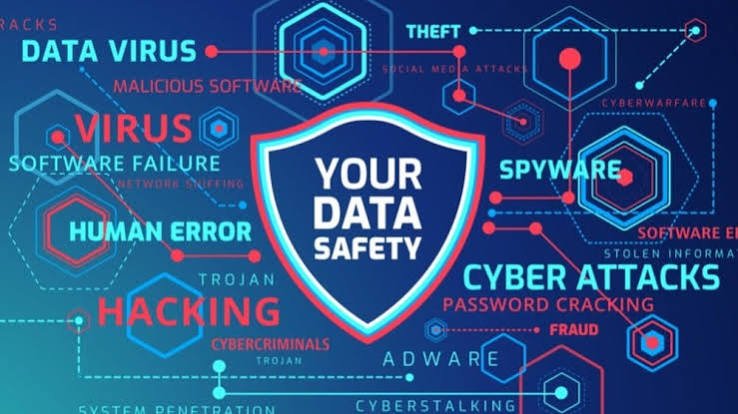
Cybercrime continues to increase as attackers develop more advanced techniques to exploit users and organizations. Some of the most common cyber threats include:
Phishing Attacks
Cybercriminals use fake emails, websites, and messages to trick users into revealing passwords, banking details, or personal information.
Malware
Malware is malicious software designed to damage systems, steal data, or gain unauthorized access to devices.
Ransomware
Ransomware encrypts files and demands payment in exchange for restoring access, often causing significant financial and operational damage.
Identity Theft
Hackers steal personal information to impersonate victims, open financial accounts, or commit fraud.
Data Breaches
Organizations that store customer information are frequent targets of cyberattacks, exposing sensitive personal and financial data.
Social Engineering
Instead of attacking technology directly, cybercriminals manipulate people into sharing confidential information through deception and psychological tactics.
Why Cybersecurity Is Important for Individuals
Many people believe cybercriminals only target businesses, but individuals are equally at risk.
Strong cybersecurity helps protect:
- Personal information
- Financial accounts
- Email accounts
- Social media profiles
- Digital identity
- Private photos and documents
A single compromised account can lead to financial loss, identity theft, and long-term privacy issues.
Why Businesses Need Strong Cybersecurity
Businesses of all sizes depend on digital systems to manage daily operations. Customer databases, employee records, financial information, and intellectual property all require strong protection.
Effective cybersecurity helps businesses:
- Protect sensitive customer data.
- Prevent financial losses.
- Maintain customer trust.
- Reduce operational downtime.
- Meet legal and regulatory requirements.
- Protect company reputation.
Even small businesses are increasingly targeted because they often have fewer security measures in place than larger organizations.
The Financial Impact of Cybercrime
Cybercrime costs individuals and businesses billions of dollars every year. The financial consequences of a cyberattack may include:
- Stolen funds
- Business interruptions
- Recovery expenses
- Legal costs
- Regulatory fines
- Lost productivity
- Reputation damage
- Customer compensation
Investing in cybersecurity is often far less expensive than recovering from a successful cyberattack.
The Importance of Data Privacy
Personal data has become one of the most valuable assets in the digital world. Information such as names, addresses, financial records, medical history, and login credentials can all be exploited if they fall into the wrong hands.
Cybersecurity plays a critical role in protecting personal privacy by preventing unauthorized access to sensitive information.
Remote Work Has Increased Security Risks
The rise of remote and hybrid work has expanded the number of devices and networks businesses must secure. Employees often access company systems from home networks or personal devices, creating additional security challenges.
Organizations can reduce these risks by:
- Using secure VPN connections.
- Requiring multi-factor authentication.
- Providing cybersecurity awareness training.
- Keeping devices and software updated.
- Implementing strong access controls.
Smart Devices Need Protection Too
Smart home technology continues to grow in popularity, including:
- Smart TVs
- Security cameras
- Smart speakers
- Connected appliances
- Wearable devices
These Internet of Things (IoT) devices can become entry points for cybercriminals if left unsecured.
Changing default passwords, installing firmware updates, and securing home Wi-Fi networks are essential steps in protecting connected devices.
Simple Ways to Improve Your Cybersecurity
You don’t need advanced technical skills to improve your online security. Following these best practices can greatly reduce your risk of cyber threats:
- Use strong, unique passwords for every account.
- Enable multi-factor authentication whenever available.
- Keep your devices and software updated.
- Install trusted antivirus and security software.
- Avoid clicking suspicious links or email attachments.
- Back up important files regularly.
- Use secure Wi-Fi networks.
- Review your privacy settings on social media.
- Monitor your financial and online accounts for unusual activity.
- Stay informed about the latest cybersecurity threats.
Cybersecurity Is Everyone’s Responsibility
Cybersecurity is not solely the responsibility of IT departments or security professionals. Every individual who uses the internet contributes to overall digital security.
Simple actions—such as recognizing phishing emails, protecting passwords, and updating software—can prevent many common cyberattacks.
By developing safe online habits, individuals help create a more secure digital environment for everyone.
Looking Ahead
As technologies such as artificial intelligence, cloud computing, and the Internet of Things continue to evolve, cybersecurity will become even more important. At the same time, cybercriminals are using increasingly sophisticated methods to exploit vulnerabilities and deceive users.
Staying informed, adopting strong security practices, and remaining cautious online will be essential for navigating the future safely.
Conclusion
Cybersecurity matters more than ever because our personal, financial, and professional lives are increasingly connected to the digital world. As cyber threats continue to evolve, protecting sensitive information is no longer optional—it’s a necessity.
Whether you’re an individual browsing the internet, a student learning online, or a business managing customer data, practicing good cybersecurity can help safeguard your digital identity and reduce the risk of cyberattacks. By using strong passwords, enabling multi-factor authentication, keeping software updated, and staying aware of emerging threats, you can enjoy the benefits of technology while protecting yourself in today’s digital age.