
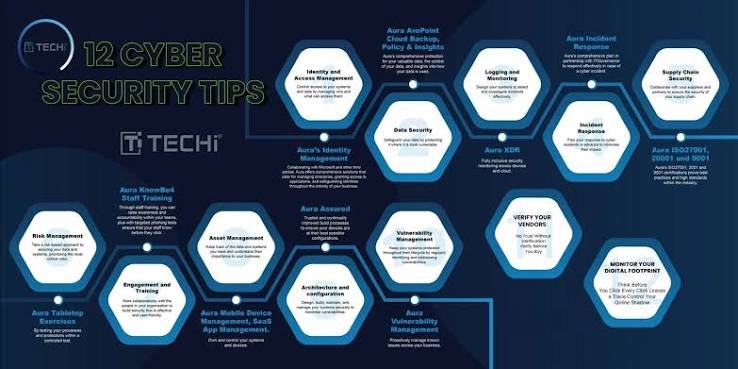
As technology continues to evolve, so do the methods used by cybercriminals. In 2026, our lives are more connected than ever, with smartphones, smart homes, cloud services, and artificial intelligence becoming part of everyday routines. While these innovations offer convenience, they also create new opportunities for cyber threats.
Cybersecurity is no longer just a concern for businesses or IT professionals. Every internet user has a role to play in protecting personal information and digital privacy. Understanding the latest risks and adopting safe online habits can significantly reduce the chances of becoming a victim of cybercrime.
This article explores practical ways to stay safe online in 2026 and build stronger digital security habits.
Why Cybersecurity Matters More Than Ever
Cyberattacks are becoming more sophisticated each year. Hackers now use artificial intelligence, automated tools, and advanced phishing techniques to target individuals and organizations alike. Personal data, financial information, and even social media accounts have become valuable targets.
A single weak password or careless click on a suspicious link can lead to identity theft, financial loss, or unauthorized access to sensitive information. Staying informed and following cybersecurity best practices is essential for protecting your digital life.
Use Strong and Unique Passwords
One of the simplest yet most effective ways to improve online security is by using strong passwords.
A secure password should:
- Contain at least 12 to 16 characters.
- Include uppercase and lowercase letters.
- Use numbers and special characters.
- Avoid personal information like birthdays or names.
Never reuse the same password across multiple accounts. If one account is compromised, attackers may try the same password on other websites.
A password manager can help generate and securely store unique passwords for every account.
Enable Multi-Factor Authentication (MFA)
Passwords alone are no longer enough. Multi-factor authentication adds an extra layer of security by requiring a second verification step, such as:
- A one-time code sent to your phone.
- An authentication app.
- A biometric scan like fingerprint or facial recognition.
- A physical security key.
Even if someone steals your password, they will have difficulty accessing your account without the second verification factor.
Keep Software Updated
Software updates often contain important security patches that fix newly discovered vulnerabilities.
Make sure to regularly update:
- Smartphones
- Computers
- Tablets
- Web browsers
- Mobile applications
- Operating systems
- Antivirus software
Whenever possible, enable automatic updates to reduce the risk of missing critical security fixes.
Watch Out for AI-Powered Scams
Artificial intelligence has made cyber scams more convincing than ever. Fraudsters can create realistic emails, fake websites, cloned voices, and even manipulated videos that appear genuine.
Before responding to unexpected messages:
- Verify the sender’s identity.
- Avoid clicking unknown links.
- Check website addresses carefully.
- Be cautious with urgent requests involving money or personal information.
If something feels suspicious, verify it through an official communication channel before taking action.
Protect Your Personal Information
Many cybercriminals rely on publicly available information to target victims.
Limit the amount of personal information you share online, including:
- Home address
- Phone number
- Birthdate
- Financial details
- Travel plans
- Identification documents
Review your privacy settings on social media platforms and only share information with trusted connections.
Use Secure Wi-Fi Networks
Public Wi-Fi networks found in airports, hotels, cafes, and shopping centers can expose users to cyber risks.
When using public internet:
- Avoid online banking or financial transactions.
- Do not access sensitive work accounts.
- Use encrypted websites with HTTPS.
- Consider using a trusted Virtual Private Network (VPN).
At home, secure your Wi-Fi network with a strong password and modern encryption standards.
Back Up Important Data
Unexpected cyber incidents such as ransomware attacks, hardware failures, or accidental deletion can result in data loss.
Create regular backups of important files, including:
- Photos
- Documents
- Business records
- Financial information
Store backups in both cloud storage and an external drive. This ensures your data remains accessible even if one backup fails.
Be Careful with Downloads
Downloading software from unofficial websites increases the risk of malware infections.
Always:
- Download apps from trusted app stores.
- Install software from official websites.
- Read permissions before installing applications.
- Remove apps you no longer use.
Avoid pirated software, as it often contains hidden malware.
Monitor Your Accounts Regularly
Regularly checking your financial and online accounts helps detect suspicious activity early.
Review:
- Bank statements
- Credit card transactions
- Email login alerts
- Social media activity
- Cloud storage access logs
If you notice unauthorized activity, change your password immediately and contact the relevant service provider.
Secure Smart Devices
Smart home devices continue to grow in popularity, but they can also become entry points for cyberattacks.
To protect connected devices:
- Change default passwords.
- Install firmware updates.
- Disable features you don’t use.
- Connect devices to a secure home network.
Keeping Internet of Things (IoT) devices updated reduces security vulnerabilities.
Educate Yourself About Cyber Threats
Cybersecurity is constantly changing. Staying informed about new scams and security practices helps you recognize threats before they become serious.
Follow trusted cybersecurity news sources, participate in online security awareness programs, and encourage family members to adopt safe online habits as well.
Knowledge remains one of the strongest defenses against cybercrime.
Common Cyber Threats in 2026
Some of the most common online threats include:
- Phishing emails and fake websites
- Ransomware attacks
- Identity theft
- AI-generated scams
- Data breaches
- Malware and spyware
- Credential theft
- Social engineering attacks
Understanding these risks makes it easier to recognize warning signs and avoid becoming a victim.
Best Practices for Everyday Online Safety
Following a few simple habits can greatly improve your cybersecurity:
- Use strong, unique passwords for every account.
- Enable multi-factor authentication whenever available.
- Keep all software and devices updated.
- Think twice before clicking unfamiliar links.
- Regularly back up important files.
- Use trusted security software.
- Secure your home Wi-Fi network.
- Limit the personal information you share online.
- Monitor your accounts for unusual activity.
- Stay informed about the latest cyber threats.
Conclusion
Cybersecurity in 2026 is about more than installing antivirus software—it’s about building smart digital habits. As cybercriminals continue to develop more advanced techniques, individuals and businesses must remain proactive in protecting their information.
By using strong passwords, enabling multi-factor authentication, keeping devices updated, avoiding suspicious links, securing your networks, and staying informed about emerging threats, you can significantly reduce your risk of cyberattacks. In an increasingly connected world, practicing good cybersecurity isn’t just a recommendation—it’s an essential part of everyday life.