

Introduction to Network Security
In today’s digital age, almost every organization, business, and individual depends on computer networks to store information, communicate, and perform daily operations. From online banking and cloud services to business applications and personal devices, networks have become an essential part of modern life. However, as technology continues to grow, cyber threats are also becoming more advanced and dangerous.
Network Security is the process of protecting computer networks, connected devices, and digital information from unauthorized access, cyberattacks, data theft, and other security risks. It includes a combination of technologies, policies, and practices designed to maintain confidentiality, integrity, and availability of network resources.
A strong network security system helps businesses prevent financial losses, protect sensitive data, and maintain customer trust. Whether it is a small company or a global enterprise, network security has become a necessity rather than an option.
What Is Network Security?
Network Security refers to the protection of a computer network from threats that can damage systems, steal information, or interrupt services. It involves implementing security measures that control access, monitor activities, detect threats, and respond to attacks.
A network security strategy usually includes hardware devices, software solutions, security rules, and trained professionals who work together to defend networks.
The main goal of network security is to ensure:
- Unauthorized users cannot access private information.
- Data remains accurate and protected from modification.
- Network services remain available when needed.
- Cyber threats are identified and stopped quickly.
Why Is Network Security Important?
The importance of network security has increased because businesses now handle massive amounts of digital information. Hackers and cybercriminals constantly search for weaknesses in networks to steal data or disrupt operations.
Some major reasons why network security is important include:
1. Protection of Sensitive Data
Organizations store valuable information such as customer records, financial details, employee information, and business strategies. A security breach can expose this information and create serious consequences.
Network security helps protect confidential data through encryption, access controls, and monitoring systems.
2. Prevention of Cyberattacks
Cyberattacks such as malware infections, ransomware, phishing attacks, and unauthorized access attempts can damage networks. Effective security solutions reduce the chances of successful attacks.
3. Maintaining Business Operations
A network attack can stop business activities and cause downtime. Strong security systems help organizations continue their operations without major interruptions.
4. Building Customer Trust
Customers expect companies to protect their personal information. Businesses with strong network security practices can build better relationships and maintain their reputation.
Types of Network Security
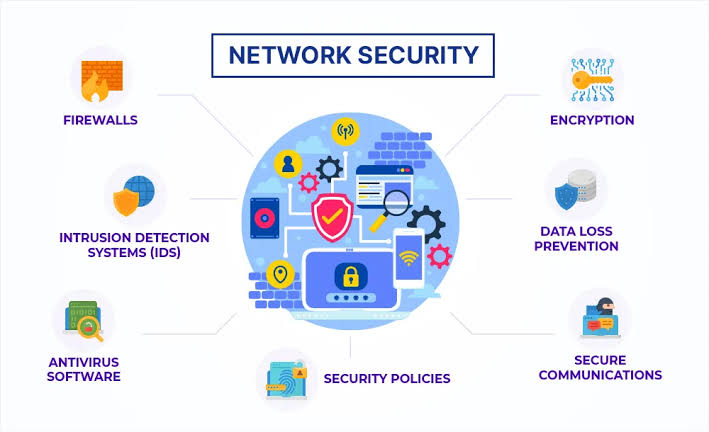
Network security includes several different technologies and methods. Each type focuses on protecting different areas of a network.
Firewall Security
A firewall is one of the most common network security tools. It works as a barrier between trusted internal networks and untrusted external networks.
Firewalls analyze incoming and outgoing traffic and block suspicious activities based on predefined security rules.
Antivirus and Anti-Malware Protection
Malicious software, commonly known as malware, can damage systems, steal information, or allow hackers to control devices.
Antivirus programs detect and remove harmful software before it creates serious problems.
Access Control

Access control ensures that only authorized users can access specific network resources.
Organizations use passwords, authentication systems, and user permissions to control who can view or modify information.
Encryption
Encryption converts data into an unreadable format so unauthorized users cannot understand it.
Even if attackers capture encrypted information, they cannot use it without the correct decryption key.
Intrusion Detection and Prevention Systems
Intrusion Detection Systems (IDS) and Intrusion Prevention Systems (IPS) monitor network traffic to identify suspicious behavior.
These systems can alert security teams and automatically block certain threats.
Common Network Security Threats
Modern networks face many types of cyber threats. Understanding these threats is important for creating effective protection strategies.
Malware Attacks
Malware is harmful software created to damage systems or steal information. Common examples include viruses, spyware, and ransomware.
Phishing Attacks
Phishing is a social engineering technique where attackers trick users into revealing passwords, financial information, or other sensitive details.
Ransomware
Ransomware encrypts files and demands payment from victims to restore access. It has become one of the most serious cybersecurity threats worldwide.
Denial-of-Service Attacks
A Denial-of-Service (DoS) attack attempts to make a network or service unavailable by overwhelming it with excessive traffic.
Insider Threats
Not all threats come from outside attackers. Employees or users with authorized access can accidentally or intentionally create security risks.
Best Practices for Improving Network Security
Organizations can improve their network security by following several important practices:
Use Strong Password Policies
Weak passwords are one of the easiest ways for attackers to gain access. Strong passwords and multi-factor authentication provide additional protection.
Keep Software Updated
Security updates fix vulnerabilities that attackers may exploit. Regular software updates help maintain a safer network environment.
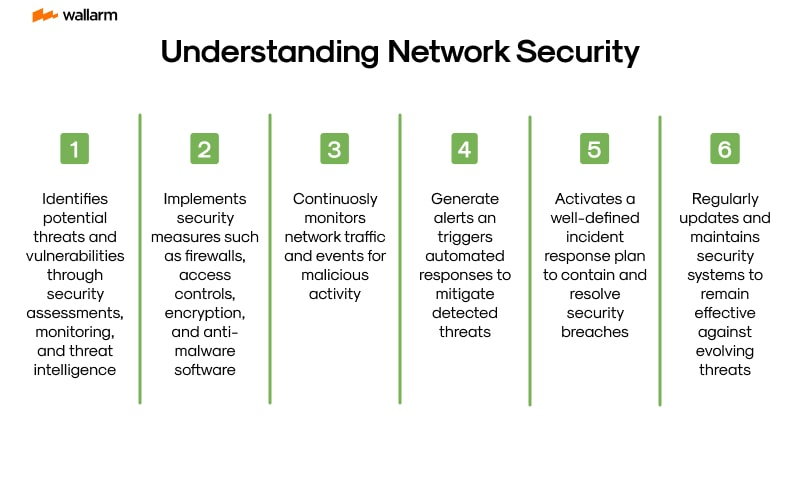
Monitor Network Activity
Continuous monitoring helps identify unusual behavior and potential attacks before they cause major damage.
Train Employees
Human mistakes are a common cause of security problems. Employee training helps people recognize phishing emails and unsafe online activities.
Create Regular Backups
Backups protect important information from data loss caused by ransomware, hardware failure, or accidental deletion.
The Future of Network Security
As technology continues to evolve, network security will become even more important. The growth of artificial intelligence, cloud computing, and Internet of Things (IoT) devices creates new opportunities as well as new security challenges.
Future network security solutions will likely focus on:
- Artificial intelligence-based threat detection
- Automated security responses
- Advanced encryption methods
- Zero-trust security models
- Improved cloud protection
Businesses that invest in modern security technologies will be better prepared to face future cyber threats.
10 Benefits of Network Security
1. Protects Sensitive Information
One of the biggest benefits of network security is the protection of confidential information. Businesses store important data such as customer details, financial records, and internal documents. Strong security systems prevent unauthorized users from accessing this valuable information.
2. Prevents Cyberattacks
Network security helps protect systems from different types of cyber threats, including malware, ransomware, phishing, and hacking attempts. Security tools identify and block suspicious activities before they cause major damage.
3. Improves Data Privacy
With effective network security measures, organizations can maintain better control over who can access their data. Encryption and authentication methods help ensure that private information remains secure.
4. Reduces Financial Losses
Cyberattacks can result in huge financial losses due to data theft, system downtime, recovery costs, and legal issues. A strong network security system reduces these risks and helps businesses save money.
5. Ensures Business Continuity
A network failure or cyberattack can stop daily business operations. Network security solutions help maintain system availability and allow companies to continue their work without major interruptions.
6. Builds Customer Trust
Customers want to work with organizations that protect their personal information. Strong network security practices improve customer confidence and strengthen business reputation.
7. Provides Better Access Control
Network security allows organizations to manage user permissions and control access to important resources. Only authorized users can view or modify sensitive information.
8. Supports Safe Remote Working
With the increase in remote work, secure networks have become essential. VPNs, authentication systems, and monitoring tools help employees safely access company resources from different locations.
9. Helps Meet Security Regulations
Many industries must follow data protection laws and security standards. Proper network security helps organizations meet compliance requirements and avoid penalties.
10. Protects Against Future Threats
Cyber threats continue to evolve. A modern network security strategy helps organizations prepare for new attacks by using updated technologies and security practices.
Frequently Asked Questions (FAQs) About Network Security
What is Network Security?
Network Security is the practice of protecting computer networks, devices, and data from unauthorized access, cyberattacks, and security threats.
Why is Network Security important?
Network Security is important because it protects sensitive information, prevents cyberattacks, reduces risks, and keeps business operations running smoothly.
What are the main types of Network Security?
The main types of network security include firewall security, antivirus protection, encryption, access control, intrusion detection systems, and network monitoring.
How does a firewall improve Network Security?
A firewall monitors incoming and outgoing network traffic and blocks suspicious connections according to security rules. It acts as a protective barrier between trusted and untrusted networks.
What are common Network Security threats?
Common threats include malware, ransomware, phishing attacks, denial-of-service attacks, unauthorized access, and insider threats.
How can businesses improve Network Security?
Businesses can improve network security by using strong passwords, updating software, training employees, using encryption, monitoring networks, and creating regular backups.
What is the role of encryption in Network Security?
Encryption converts data into a protected format that cannot be understood by unauthorized users. It helps keep sensitive information safe during storage and transmission.
Is Network Security only important for large companies?
No, network security is important for businesses of all sizes and even individual users. Small organizations can also become targets of cybercriminals.
What skills are needed for a career in Network Security?
A career in network security requires knowledge of networking, firewalls, cybersecurity tools, threat analysis, ethical hacking, and security management.
What is the future of Network Security?
The future of network security will include more artificial intelligence-based protection, advanced threat detection, zero-trust security models, and stronger cloud security solutions.
Conclusion
Network Security plays a critical role in protecting digital systems, personal information, and business operations. As cyber threats continue to increase, organizations must adopt strong security strategies to protect their networks.
A successful network security approach combines technology, policies, and user awareness. By implementing firewalls, encryption, access controls, monitoring systems, and security training, businesses can reduce risks and create a safer digital environment.
In a connected world where information is one of the most valuable assets, network security is not just a technical requirement—it is a fundamental part of digital protection.