
Introduction
In today’s connected world, digital security has become one of the most important concerns for individuals, businesses, and organizations. Every day, millions of people access online platforms, cloud services, applications, and private networks to complete their personal and professional tasks. With this increasing dependence on technology, protecting sensitive information from unauthorized users has become essential.
This is where Secure Access plays a critical role.
Secure Access is a security approach that ensures only authorized users can access specific systems, applications, networks, and data. It combines different technologies and security practices, such as authentication, authorization, encryption, identity management, and access control, to protect digital resources from cyber threats.
Whether you are a small business owner managing customer information, an employee working remotely, or an individual protecting personal accounts, secure access solutions help maintain privacy, prevent data breaches, and improve overall cybersecurity.
What Is Secure Access?
Secure Access refers to the process of allowing verified users, devices, and applications to safely connect to digital resources while preventing unauthorized access. It ensures that the right person gets the right level of access at the right time.
Traditional security methods focused mainly on protecting the network boundary. However, modern cybersecurity requires a more advanced approach because users now connect from different locations, devices, and networks.
Secure Access follows the principle of:
“Never trust automatically, always verify.”
This means every access request must be checked before permission is granted.
For example, when a user logs into an online banking account, the system does not only check the username and password. It may also verify device information, location, login behavior, and additional security factors to confirm the user’s identity.
Why Is Secure Access Important?
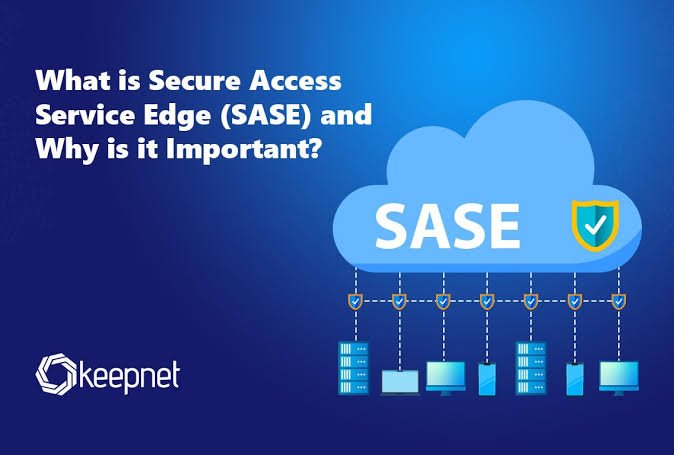
Cyberattacks are becoming more advanced every year. Hackers use methods such as phishing, malware, stolen passwords, and social engineering attacks to gain unauthorized access to valuable information.
Secure Access helps reduce these risks by adding multiple layers of protection.
1. Protection Against Unauthorized Access
One of the main purposes of Secure Access is preventing unknown users from entering private systems. Strong authentication methods ensure that only approved individuals can access confidential information.
Businesses use secure access controls to protect:
- Customer databases
- Financial records
- Employee information
- Internal applications
- Business documents
Without proper access security, sensitive data can easily become exposed.
2. Improved Data Privacy
Data privacy has become a major concern for organizations worldwide. Customers expect companies to protect their personal information.
Secure Access solutions help businesses maintain privacy by controlling:
- Who can view information
- Who can modify data
- Who can download files
- When access is allowed
This reduces the chances of accidental leaks and intentional misuse.
3. Support for Remote Work
Remote work has changed the way organizations operate. Employees often access company systems from homes, public networks, and different locations.
Secure Access allows employees to work safely by providing:
- Protected remote connections
- Identity verification
- Secure application access
- Device security checks
This enables productivity without compromising cybersecurity.
Key Components of Secure Access
A strong Secure Access system depends on several important security components.
Authentication
Authentication is the process of verifying the identity of a user. It answers the question:
“Who are you?”
Common authentication methods include:
- Passwords
- Security keys
- Fingerprints
- Facial recognition
- One-time verification codes
Modern systems often use multi-factor authentication (MFA), which requires users to provide more than one type of verification.
Authorization
After authentication, authorization determines what resources a user can access.
For example:
- A regular employee may access company documents.
- A manager may access additional reports.
- An administrator may control system settings.
Authorization prevents users from accessing information beyond their permission level.
Encryption
Encryption protects information by converting data into an unreadable format. Only authorized users with the correct encryption key can access the original information.
Encryption is commonly used for:
- Online transactions
- Cloud storage
- Private communications
- Business applications
Access Control
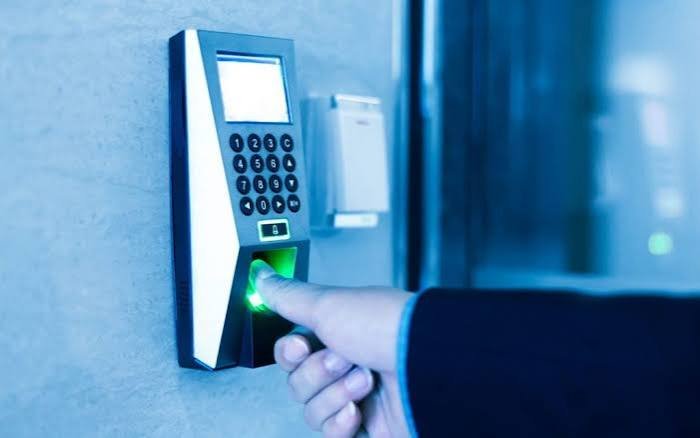
Access control manages user permissions and determines who can use specific resources.
Organizations commonly use:
- Role-Based Access Control (RBAC)
- Attribute-Based Access Control (ABAC)
- Identity-Based Access Control
These methods help maintain proper security policies.
The Future of Secure Access
As technology continues to grow, Secure Access will become even more important. Artificial intelligence, machine learning, biometric authentication, and zero-trust security models are shaping the future of digital protection.
Organizations are moving toward smarter security systems that can automatically detect suspicious activities and respond to threats in real time.
The future of cybersecurity depends on creating safer digital environments where users can access information quickly while maintaining strong protection.
Frequently Asked Questions (FAQs) About Secure Access
1. What is Secure Access?
Secure Access is a cybersecurity method that protects digital systems, networks, applications, and data by allowing only verified users and devices to gain permission. It uses security techniques such as authentication, authorization, encryption, and access control to prevent unauthorized entry.
2. Why is Secure Access important?
Secure Access is important because it helps protect sensitive information from cybercriminals, data breaches, and unauthorized users. It ensures that only trusted individuals can access important systems and confidential data.
3. How does Secure Access work?
Secure Access works by verifying a user’s identity before allowing access to digital resources. It checks login details, security verification methods, user permissions, and device information before granting access.
4. What are the main components of Secure Access?
The main components of Secure Access include:
- Authentication
- Authorization
- Encryption
- Access control
- Identity management
- Multi-factor authentication (MFA)
These security layers work together to protect digital assets.
5. What is the difference between authentication and authorization?
Authentication verifies who a user is, while authorization determines what that user is allowed to access. For example, logging into an account requires authentication, but accessing specific files depends on authorization.
6. How does Secure Access protect businesses?
Secure Access helps businesses protect customer data, employee information, financial records, and internal systems. It reduces security risks, prevents unauthorized access, and supports safe remote working environments.
7. Is Secure Access useful for remote employees?
Yes, Secure Access is extremely useful for remote employees. It allows workers to securely connect to company systems from different locations while maintaining data protection and privacy.
8. What is Zero Trust Secure Access?
Zero Trust Secure Access is a security model based on the idea that no user or device should automatically be trusted. Every access request must be verified before permission is provided.
9. Can Secure Access prevent all cyberattacks?
Secure Access significantly reduces cybersecurity risks, but no security system can guarantee complete protection against every threat. Combining secure access practices with regular updates, employee awareness, and monitoring provides stronger protection.
10. How can organizations implement Secure Access?
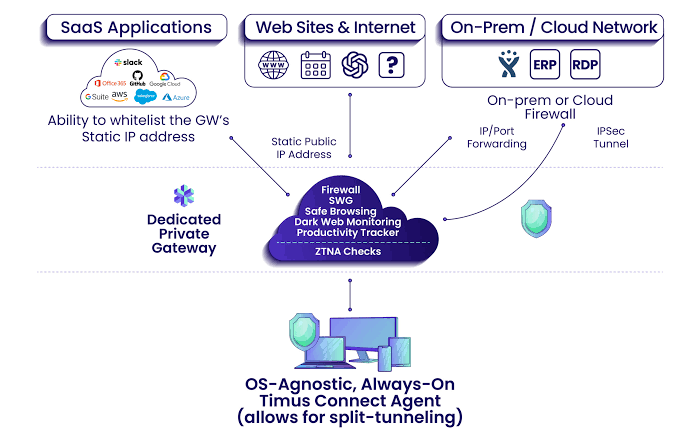
Organizations can implement Secure Access by using strong passwords, multi-factor authentication, identity management systems, encryption, access policies, and regular security assessments.
Conclusion
Secure Access has become a fundamental part of modern cybersecurity. As businesses and individuals continue to rely on digital platforms, protecting sensitive information from unauthorized access is more important than ever.
A strong Secure Access strategy helps organizations control who can access their systems, protect valuable data, and reduce the chances of cyber threats. By using technologies such as authentication, authorization, encryption, and zero-trust security, companies can create a safer digital environment.
In the future, Secure Access will continue to evolve with advanced technologies such as artificial intelligence, biometric verification, and intelligent threat detection. Organizations that invest in secure access solutions will be better prepared to protect their digital resources and maintain trust with their users.
Secure Access is not just about restricting access; it is about creating a secure, reliable, and efficient way for authorized users to connect with the information and services they need.