
Introduction to Online Safety
The internet has become an essential part of modern life. People use online platforms for communication, education, shopping, banking, entertainment, and professional activities. While the digital world offers countless opportunities, it also comes with risks such as cyber threats, identity theft, online scams, privacy violations, and harmful content.
This is why online safety has become more important than ever. Online safety refers to the practices, tools, and awareness needed to protect personal information, digital accounts, devices, and online activities from potential threats.
Whether you are a student, business owner, employee, parent, or everyday internet user, understanding online safety can help you enjoy the benefits of technology while reducing digital risks.
What Is Online Safety?
Online safety means staying protected while using the internet and digital technologies. It involves making smart decisions about what information you share, which websites you visit, how you protect your accounts, and how you interact with other people online.
A safe online experience requires a combination of:
- Strong security habits
- Privacy awareness
- Responsible internet use
- Knowledge of cyber threats
- Proper use of security tools
Online safety is not only about preventing hackers from accessing your information. It is also about protecting your digital reputation, financial details, personal identity, and emotional well-being.
Why Is Online Safety Important?
The internet connects billions of people around the world, but this massive connection also creates opportunities for cybercriminals. Every day, individuals and organizations face threats designed to steal information, damage systems, or trick users.
Some major reasons why online safety matters include:
1. Protection of Personal Information
Personal data such as your name, address, phone number, passwords, and financial information can be valuable to criminals. If this information falls into the wrong hands, it may lead to identity theft, fraud, or unauthorized account access.
Practicing good online safety habits helps keep your private information secure.
2. Preventing Cybercrime
Cybercrime includes activities such as phishing attacks, malware infections, hacking attempts, and online fraud. Many cybercriminals target users who are unaware of basic security practices.
Learning about online safety helps people recognize suspicious activities and avoid becoming victims.
3. Protecting Financial Accounts
Online banking and digital payments have made financial transactions easier, but they have also created new risks. Weak passwords, fake websites, and phishing messages can expose financial information.
Using secure payment methods and protecting account credentials are important parts of online safety.
4. Maintaining Digital Privacy
Every action online can leave a digital footprint. Websites, apps, and online services may collect information about users. Understanding privacy settings and controlling shared information can help protect personal privacy.
Common Online Safety Threats
The digital environment contains many different types of threats. Understanding these risks is the first step toward staying protected.
Phishing Attacks
Phishing is one of the most common online threats. It involves fake emails, messages, or websites designed to trick users into revealing sensitive information.
A phishing message may pretend to come from:
- A bank
- A social media platform
- An online shopping website
- A government organization
These messages often create urgency by claiming that your account has a problem or that you must take immediate action.
How to Avoid Phishing Scams
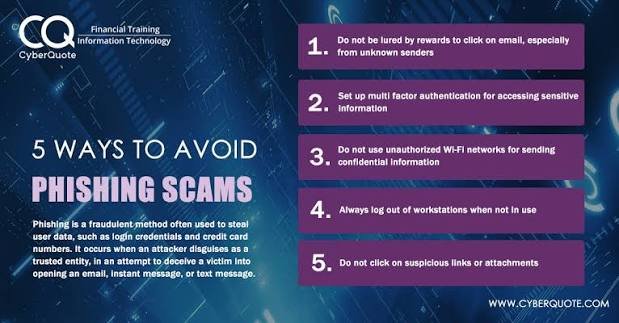
- Do not click suspicious links
- Check website addresses carefully
- Avoid sharing passwords through email or messages
- Verify requests before providing personal information
Malware and Viruses
Malware is harmful software created to damage devices, steal information, or monitor user activity. Viruses, ransomware, spyware, and trojans are different types of malware.
Malware can enter devices through:
- Unsafe downloads
- Fake applications
- Suspicious email attachments
- Compromised websites
Keeping software updated and using reliable security tools can reduce the risk of malware infections.
Weak Passwords
Passwords are one of the first lines of defense for online accounts. Many security problems happen because users choose simple passwords or reuse the same password across multiple websites.
A strong password should include:
- A combination of uppercase and lowercase letters
- Numbers
- Special characters
- A unique structure that is difficult to guess
Using a password manager can also help users create and store stronger passwords securely.
Identity Theft
Identity theft occurs when someone uses another person’s personal information without permission. Criminals may use stolen information to open accounts, make purchases, or commit fraud.
Signs of identity theft may include:
- Unknown transactions
- Unexpected account activity
- Password changes you did not request
- Messages about unfamiliar services
Protecting personal information is a key part of online safety.
Social Media Safety
Social media platforms allow people to connect, share ideas, and build communities. However, sharing too much information publicly can create privacy risks.
To improve social media safety:
- Review privacy settings regularly
- Avoid sharing sensitive personal details
- Be careful when accepting unknown friend requests
- Think before posting photos or personal updates
Your online activity can affect your personal and professional reputation.
Safe Internet Browsing Habits
Safe browsing habits help users avoid dangerous websites and online scams.
Important browsing practices include:
- Visiting trusted websites
- Checking for secure connections
- Avoiding suspicious advertisements
- Downloading files only from reliable sources
- Keeping browsers updated
A few seconds of caution can prevent major security problems.
Frequently Asked Questions (FAQs) About Online Safety
1. What is online safety?
Online safety refers to the practices and precautions people use to protect their personal information, devices, accounts, and privacy while using the internet. It helps users avoid cyber threats such as scams, hacking, malware, and identity theft.
2. Why is online safety important?
Online safety is important because the internet contains many risks, including data theft, online fraud, phishing attacks, and privacy violations. Following safe online practices helps protect your personal and financial information.
3. What are the basic rules of online safety?
Some basic online safety rules include using strong passwords, enabling two-factor authentication, avoiding suspicious links, keeping software updated, protecting personal information, and using secure websites.
4. How can I protect my personal information online?
You can protect your personal information by limiting what you share online, using privacy settings, creating strong passwords, avoiding unknown websites, and being careful when responding to emails or messages requesting personal details.
5. What is the biggest threat to online safety?
Some of the biggest online safety threats include phishing scams, malware, ransomware, weak passwords, identity theft, and social engineering attacks. Cybercriminals often use tricks to convince users to share sensitive information.
6. How can I create a strong password?
A strong password should contain a mix of uppercase letters, lowercase letters, numbers, and special characters. Avoid using common words, personal details, or the same password for multiple accounts.
7. Is public Wi-Fi safe to use?
Public Wi-Fi networks can be risky because attackers may try to intercept information shared over unsecured connections. Avoid accessing sensitive accounts, such as banking services, when using unknown public Wi-Fi networks.
8. How can parents keep children safe online?
Parents can improve children’s online safety by teaching responsible internet use, setting privacy controls, monitoring online activities, encouraging open communication, and helping children recognize unsafe content or online behavior.
9. What is two-factor authentication and why is it useful?
Two-factor authentication (2FA) adds an extra layer of security by requiring a second verification step after entering a password. It helps prevent unauthorized access even if a password is stolen.
10. How can I stay safe while shopping online?
To shop safely online, use trusted websites, check website security, avoid suspicious deals, use secure payment methods, and never share unnecessary personal information with unknown sellers.
Conclusion
The internet has transformed the way people communicate, work, learn, and access information. However, with these advantages come new challenges and security risks. Online safety is no longer optional; it is an essential part of responsible internet usage.
By developing good digital habits, protecting personal information, using strong security measures, and staying aware of online threats, individuals can reduce their chances of becoming victims of cybercrime.
Everyone has a responsibility to create a safer digital environment. Whether you are browsing websites, using social media, shopping online, or managing important accounts, practicing online safety helps protect your privacy, security, and digital identity.
As technology continues to evolve, staying informed and adopting safe online practices will remain one of the most effective ways to enjoy the internet with confidence and security.