
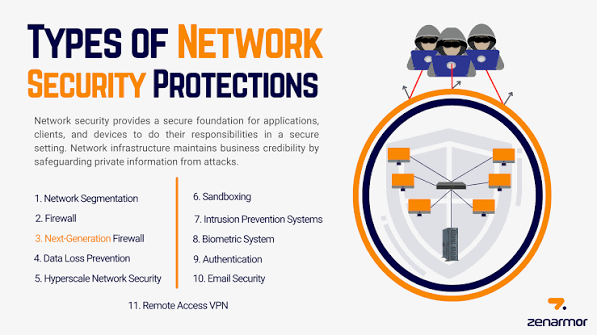
Introduction
In today’s connected world, almost every organization, business, and individual depends on digital networks to communicate, store information, and perform daily activities. From online banking and cloud services to social media platforms and business applications, networks have become an essential part of modern life.
However, as technology continues to grow, cyber threats are also becoming more advanced. Hackers, malware developers, and cybercriminals constantly search for weaknesses in networks to steal sensitive information, disrupt services, or gain unauthorized access. This increasing risk has made Network Security one of the most important areas of cybersecurity.
Network Security is the practice of protecting computer networks, devices, applications, and data from unauthorized access, misuse, attacks, and damage. It combines different technologies, security policies, and strategies to ensure that digital communication remains safe and reliable.
Whether you are a large company managing thousands of users or an individual protecting your home Wi-Fi connection, understanding network security is essential in the digital age.
What Is Network Security?
Network Security refers to the methods and technologies used to protect a network infrastructure from cyber threats. It focuses on maintaining the confidentiality, integrity, and availability of information traveling through networks.
A secure network prevents unauthorized users from accessing private data and ensures that authorized users can safely use network resources.
The main goals of network security are:
1. Confidentiality
Confidentiality ensures that sensitive information is only accessible to authorized individuals. Encryption technologies are commonly used to protect data from being viewed by unauthorized users.
For example, when you enter your password on a secure website, encryption protects that information while it travels across the internet.
2. Integrity
Integrity ensures that data remains accurate and is not changed or damaged by unauthorized people.
Cyber attackers may attempt to modify files, messages, or transactions. Network security systems help detect and prevent these unwanted changes.
3. Availability
Availability ensures that networks and services remain accessible whenever users need them.
Cyber attacks such as Distributed Denial-of-Service (DDoS) attacks can make websites and online services unavailable. Network security helps organizations prevent and recover from these disruptions.
Why Is Network Security Important?
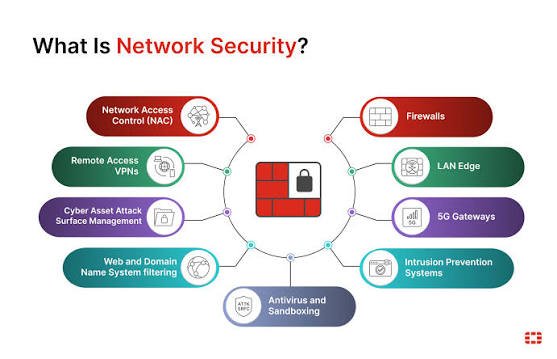
The importance of network security has increased significantly because businesses and individuals now store and exchange huge amounts of digital information.
A network security failure can lead to:
- Financial losses
- Data theft
- Identity fraud
- Business interruptions
- Reputation damage
- Legal problems
For businesses, a cyber attack can affect customers, employees, and daily operations. A single security breach may expose confidential customer records or valuable company information.
For individuals, weak network protection can result in stolen passwords, financial fraud, and privacy violations.
Strong network security helps create a safer digital environment where users can communicate, work, and share information confidently.
The Evolution of Network Security
Network security has changed dramatically over the years. In the early days of computer networking, security was relatively simple because networks were smaller and threats were limited.
As the internet expanded, cybercriminals developed new techniques to exploit vulnerabilities.
Early Network Security
During the early internet era, basic security methods such as passwords and simple access controls were used to protect systems.
However, these methods were not enough as online threats became more complex.
Modern Network Security
Today, organizations use advanced security solutions including:
- Artificial intelligence-based threat detection
- Advanced firewalls
- Intrusion prevention systems
- Cloud security platforms
- Multi-factor authentication
- Data encryption
- Security monitoring tools
Modern network security focuses not only on preventing attacks but also on detecting, responding to, and recovering from security incidents.
Types of Network Security
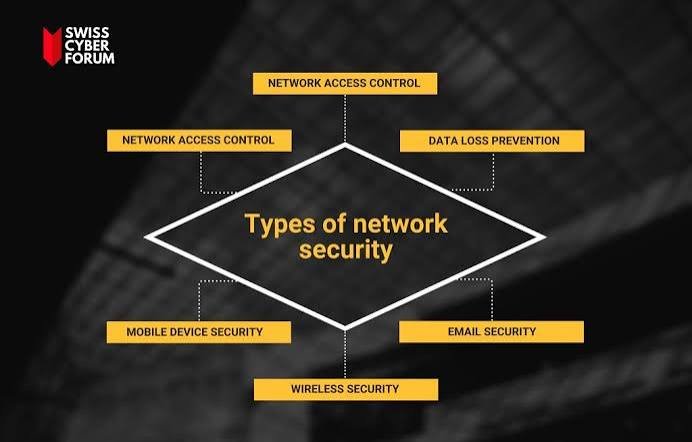
Network security includes several different areas designed to protect various parts of a network.
1. Firewall Security
A firewall is one of the most common network security tools. It monitors incoming and outgoing network traffic and blocks suspicious activity according to predefined rules.
Firewalls act as a barrier between trusted internal networks and dangerous external networks such as the internet.
2. Access Control Security
Access control ensures that only authorized users can access specific network resources.
Organizations use:
- User authentication
- Password policies
- Role-based permissions
- Multi-factor authentication
These methods reduce the risk of unauthorized access.
3. Wireless Network Security
Wireless networks are convenient but can become targets for attackers if they are not properly protected.
Wireless security includes:
- Strong Wi-Fi passwords
- Secure encryption protocols
- Router updates
- Hidden network settings
4. Cloud Network Security
As more businesses move their services to the cloud, protecting cloud networks has become essential.
Cloud security protects:
- Cloud applications
- Stored data
- Virtual networks
- User accounts
Frequently Asked Questions (FAQs) About Network Security
1. What is Network Security?
Network Security is the process of protecting computer networks, connected devices, and digital information from unauthorized access, cyber attacks, and data theft. It uses different security technologies, tools, and practices to keep networks safe and reliable.
2. Why is Network Security important?
Network Security is important because it protects sensitive information, prevents cyber attacks, and ensures that businesses and individuals can safely use digital services. Without proper security, hackers can steal data, damage systems, or interrupt important services.
3. What are the main types of Network Security?
The main types of Network Security include:
- Firewall Security
- Access Control Security
- Wireless Network Security
- Cloud Network Security
- Email Security
- Endpoint Security
- Intrusion Detection and Prevention Systems
- Data Encryption Security
Each type helps protect different parts of a network from possible threats.
4. What are common Network Security threats?
Some common Network Security threats include:
- Malware attacks
- Viruses and spyware
- Phishing attacks
- Ransomware
- Password attacks
- Data breaches
- DDoS attacks
- Unauthorized network access
Cybercriminals use these techniques to steal information or damage network systems.
5. How can businesses improve Network Security?
Businesses can improve their Network Security by:
- Using strong passwords and multi-factor authentication
- Installing updated security software
- Training employees about cyber threats
- Regularly monitoring network activity
- Encrypting sensitive data
- Creating regular backups
- Updating systems and applications
A strong security strategy helps reduce the risk of cyber incidents.
6. What is the role of a firewall in Network Security?
A firewall acts as a security barrier between a trusted network and untrusted networks. It checks incoming and outgoing traffic and blocks suspicious connections based on security rules.
Firewalls help prevent unauthorized access and protect networks from many cyber threats.
7. Is Network Security only important for large companies?
No, Network Security is important for everyone. Small businesses, educational institutions, government organizations, and individual users all need protection because cybercriminals can target any network.
Even a home Wi-Fi network requires proper security measures.
8. What is encryption in Network Security?
Encryption is a security method that converts data into an unreadable format so unauthorized users cannot understand it. Only users with the correct decryption key can access the original information.
Encryption is widely used for online banking, secure websites, messaging apps, and business communication.
9. What skills are needed for a career in Network Security?
A career in Network Security requires knowledge of:
- Computer networking
- Firewalls and security tools
- Operating systems
- Ethical hacking concepts
- Cloud security
- Risk management
- Threat detection
Certifications and practical experience can help professionals build careers in cybersecurity.
10. What is the future of Network Security?

The future of Network Security will focus on advanced technologies such as artificial intelligence, machine learning, automation, and zero-trust security models.
As cyber threats continue to evolve, organizations will need stronger and smarter security solutions to protect their digital infrastructure.
Conclusion
Network Security has become a critical part of the modern digital world. As businesses, governments, and individuals rely more on internet-connected systems, protecting networks from cyber threats is more important than ever.
A secure network helps protect confidential information, maintain system availability, and prevent unauthorized access. Technologies such as firewalls, encryption, authentication systems, and advanced monitoring tools play an important role in defending against cyber attacks.
However, technology alone is not enough. Strong security also requires awareness, regular updates, proper policies, and responsible online behavior. Organizations should continuously improve their security strategies to stay prepared against new and emerging threats.