
Introduction to Data Protection
In today’s digital world, data has become one of the most valuable assets for individuals, businesses, and organizations. Every day, millions of people share personal information online through websites, mobile applications, social media platforms, online banking systems, and e-commerce stores. This information helps companies provide better services, but it also creates risks related to privacy, security, and misuse.
Data protection refers to the process of safeguarding important information from unauthorized access, theft, loss, damage, or misuse. It includes technologies, policies, and practices designed to keep personal and business data secure while ensuring that information is used responsibly.
As cyber threats continue to increase, protecting data has become a major priority for everyone. From small businesses to large global organizations, effective data protection strategies are necessary to maintain trust, comply with regulations, and prevent financial and reputational damage.
This guide explains everything about data protection, including its meaning, importance, principles, methods, laws, challenges, and future trends.
What Is Data Protection?
Data protection is the practice of protecting information from unauthorized access and ensuring that data remains accurate, private, and available when needed.
Data can include many different types of information, such as:
- Personal names and addresses
- Phone numbers and email addresses
- Financial records
- Medical information
- Business documents
- Customer databases
- Login credentials
- Online activity records
The main purpose of data protection is to prevent sensitive information from being exposed or misused.
For example, when you create an account on a website, you may provide your name, email address, password, and payment details. Companies that collect this information have a responsibility to protect it from hackers and unauthorized users.
Why Is Data Protection Important?
Data protection is important because modern society depends heavily on digital information. Almost every online activity involves sharing or storing data.
1. Protecting Personal Privacy
People have the right to control their personal information. Without proper protection, private details can be stolen and used for identity theft, fraud, or unwanted marketing.
Strong data protection allows individuals to maintain control over their personal information.
2. Preventing Cybercrime
Cybercriminals constantly search for valuable information they can exploit. Data breaches can expose millions of records within minutes.
Common cyber threats include:
- Phishing attacks
- Malware
- Ransomware
- Identity theft
- Database attacks
- Password theft
Data protection measures help reduce these risks.
3. Building Customer Trust
Customers expect companies to handle their information responsibly. A business that protects customer data creates confidence and loyalty.
On the other hand, a company that suffers repeated data breaches may lose customers and damage its reputation.
4. Legal Compliance
Many countries have introduced strict data protection regulations. Organizations must follow these laws to avoid penalties and legal problems.
Examples include privacy regulations that control how companies collect, store, and process personal information.
The Main Principles of Data Protection
Effective data protection is based on several important principles.
1. Data Privacy
Data privacy means individuals should have control over how their information is collected and used.
Organizations should clearly explain:
- What data they collect
- Why they collect it
- How they use it
- Who can access it
Transparency is a key part of privacy protection.
2. Data Security
Data security focuses on protecting information from unauthorized access, cyberattacks, and accidental damage.
Security methods include:
- Encryption
- Password protection
- Access controls
- Security monitoring
- Backup systems
3. Data Accuracy
Organizations must ensure that stored information is correct and updated.
Incorrect data can create serious problems, especially in areas such as healthcare, banking, and government services.
4. Limited Data Collection
Companies should only collect information that is necessary for a specific purpose.
Collecting excessive data increases security risks and creates unnecessary privacy concerns.
5. Data Retention Control
Organizations should not store information forever without a reason. Data should be deleted or securely archived when it is no longer needed.
Types of Data Protection
Data protection includes different methods and technologies designed to secure information.
1. Encryption
Encryption is one of the most powerful data protection techniques. It converts readable information into an unreadable format that can only be accessed with the correct key.
For example, online banking systems use encryption to protect financial transactions.
2. Data Backup
Backups protect information from accidental deletion, hardware failure, or cyberattacks.
Businesses often create multiple copies of important data and store them in secure locations.
3. Access Control
Access control ensures that only authorized people can view or modify sensitive information.
Examples include:
- User permissions
- Multi-factor authentication
- Role-based access systems
4. Network Security
Network security protects data while it moves between devices and systems.
Common network protection methods include:
- Firewalls
- Security monitoring tools
- Secure connections
- Intrusion detection systems
5. Data Masking
Data masking hides sensitive information by replacing real values with modified versions.
This method is commonly used during software testing and development.
Data Protection for Businesses
Businesses collect large amounts of information from customers, employees, and partners. Protecting this information is essential for success.
A strong data protection strategy helps businesses:
- Prevent security breaches
- Maintain customer confidence
- Protect intellectual property
- Reduce financial risks
- Meet legal requirements
Small businesses are also targets for cybercriminals because they often have weaker security systems. Therefore, companies of all sizes need proper data protection practices.
Data Protection for Individuals
Individuals can also take steps to protect their personal information online.
Important practices include:
Use Strong Passwords
Strong passwords should contain:
- Uppercase letters
- Lowercase letters
- Numbers
- Special characters
Using different passwords for different accounts reduces security risks.
Enable Two-Factor Authentication
Two-factor authentication adds an extra security layer by requiring additional verification.
Avoid Suspicious Links
Many cyberattacks begin with fake emails or messages. Users should avoid clicking unknown links or downloading suspicious files.
Update Software Regularly
Software updates often include security improvements that protect devices from new threats.
Frequently Asked Questions (FAQs) About Data Protection
1. What is data protection?
Data protection is the process of securing personal and business information from unauthorized access, theft, loss, or misuse. It involves using security technologies, policies, and practices to ensure that data remains safe and private.
2. Why is data protection important?
Data protection is important because sensitive information can be targeted by cybercriminals. Proper protection helps prevent identity theft, financial fraud, data breaches, and privacy violations while building trust between businesses and customers.
3. What types of data need protection?
Different types of information require protection, including:
- Personal information
- Financial records
- Medical data
- Business documents
- Customer information
- Passwords and login details
- Intellectual property
Any information that can cause harm if exposed should be protected.
4. How can individuals protect their personal data?
Individuals can protect their data by following security practices such as:
- Creating strong passwords
- Using two-factor authentication
- Avoiding suspicious emails and links
- Updating software regularly
- Using secure internet connections
- Being careful when sharing information online
5. How do businesses protect customer data?
Businesses protect customer information by implementing security measures such as encryption, access controls, regular security audits, employee training, and data backup systems.
They also follow privacy regulations to ensure responsible data handling.
6. What is the difference between data protection and data security?
Data protection focuses on controlling how information is collected, stored, processed, and shared while respecting privacy rights.
Data security focuses mainly on protecting data from threats such as hacking, unauthorized access, and cyberattacks.
Both work together to keep information safe.
7. What are common threats to data protection?
Common threats include:
- Cyberattacks
- Malware infections
- Phishing scams
- Ransomware attacks
- Weak passwords
- Insider threats
- Accidental data leaks
Organizations must continuously improve their security systems to handle these risks.
8. What is data encryption?
Data encryption is a security method that converts information into a coded format. Only authorized users with the correct decryption key can access the original data.
Encryption is widely used in banking, healthcare, online shopping, and communication services.
9. What are data protection laws?
Data protection laws are legal rules created to control how organizations collect, store, process, and share personal information. These laws help protect individuals’ privacy rights and require businesses to handle data responsibly.
10. How does data protection help businesses?
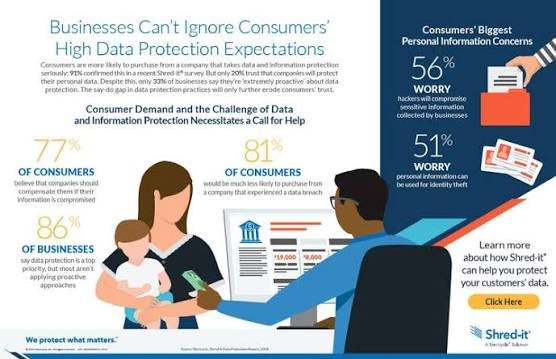
Strong data protection helps businesses:
- Maintain customer trust
- Avoid legal penalties
- Reduce cybersecurity risks
- Protect valuable information
- Improve their reputation
- Maintain business continuity
Conclusion: The Importance of Data Protection in the Digital Age
Data protection has become an essential part of modern life because information is now one of the most valuable resources in the world. Individuals, businesses, and organizations depend on digital data every day, making it necessary to protect this information from unauthorized access, cyber threats, and misuse.
A strong data protection strategy is not only about using advanced technology but also about creating responsible policies, educating users, and following privacy principles. Simple actions such as using strong passwords, enabling security features, maintaining backups, and being aware of online risks can significantly improve data safety.
For businesses, protecting customer and organizational data is a responsibility that directly affects trust and reputation. Companies that prioritize data protection are better prepared to handle cyber threats and maintain long-term relationships with their customers.
As technology continues to grow, the importance of data protection will continue to increase. Artificial intelligence, cloud computing, and digital services create new opportunities but also introduce new security challenges. By adopting effective protection methods and respecting privacy, society can enjoy the benefits of technology while keeping valuable information secure.